Blog
Amazon Gift Card Scams in Nigeria: How to Spot, Avoid, and Trade Safely
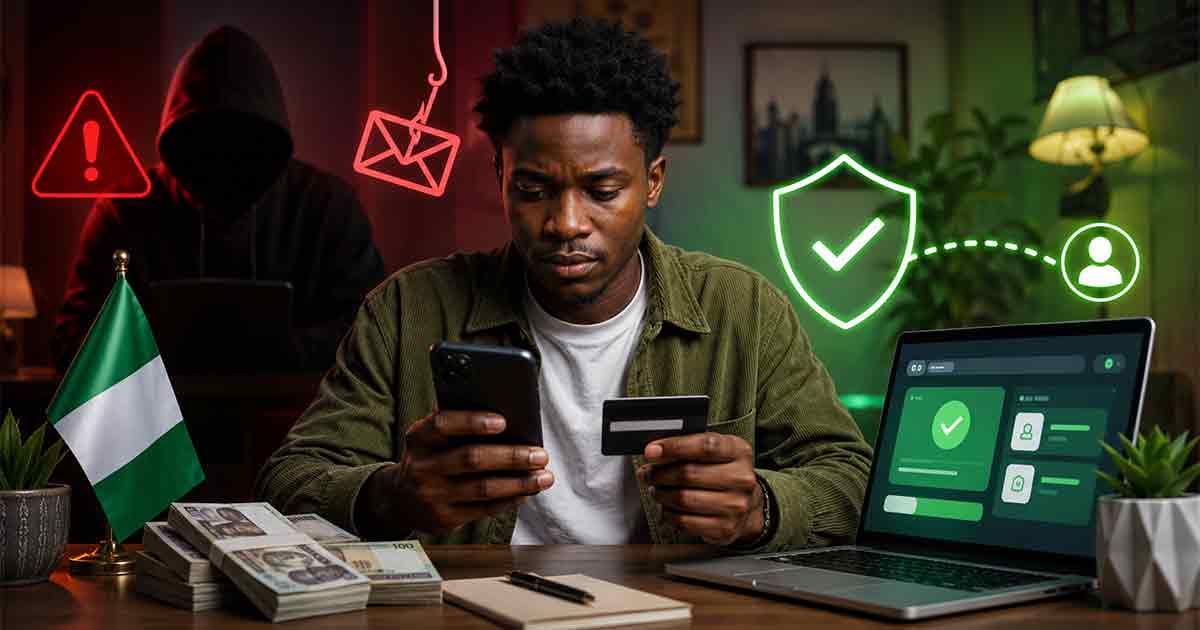
Amazon gift cards have become one of the most traded digital assets in Nigeria. Whether you received one from a relative abroad, won it as a prize, or picked it up as part of a work-from-home deal, the question most Nigerians ask is: how do I convert this to naira safely?
The problem is that gift cards attract scammers. Lots of them. And because Amazon gift cards are irreversible once redeemed, fraudsters specifically target people who hold them. Before you trade — or even if someone just sent you one — you need to understand the scam landscape in Nigeria.
Why Amazon Gift Card Scams Are Common in Nigeria
Nigeria sits at a unique intersection: high smartphone penetration, active dollar-naira trading culture, and widespread use of gift cards as a payment workaround. Scammers know this. They know Nigerians are familiar with gift cards, know the exchange rate matters, and know that many people are looking for fast ways to convert cards to cash.
That combination makes Nigerian gift card holders a prime target — both locally and from international fraud networks.
5 Amazon Gift Card Scams Targeting Nigerians
1. Fake Lottery and Prize Notifications
You get a WhatsApp message, email, or SMS: "Congratulations! You've won an Amazon reward of . To claim your prize, purchase a Amazon gift card and send the code to verify your identity."
This is pure fabrication. Amazon does not require gift card payments to release prizes. No legitimate lottery asks you to pay before claiming. The moment someone asks you to buy or send a gift card to "unlock" winnings, you're looking at a scam. Block and move on.
2. Tech Support Impersonation
A caller claims to be from Amazon, Microsoft, or your bank. They say your account has been compromised or that you owe an outstanding balance. To "secure" your account or settle the issue, they ask you to buy Amazon gift cards and read out the codes over the phone.
This scam is especially effective because the caller sounds official — they may already know your name or email. Real tech support teams do not accept gift card payments. If someone asks for a gift card code as payment or verification, hang up.
3. Romance Scams and Emotional Manipulation
Someone you met on Instagram, Facebook, or a dating app builds a connection with you over weeks or months. Eventually, they're stuck in an emergency — stranded abroad, dealing with a sick relative, or locked out of their bank account. They ask you to send Amazon gift card codes to help them out "temporarily."
In Nigeria, this type of scam often runs alongside long-term fake relationships. The fraudster is patient, builds trust deliberately, and the ask only comes after they've invested time in the relationship. Once the gift card codes are sent, the person vanishes or manufactures another crisis.
4. Family and Friend Impersonation (Owo Ebi Scam)
A message arrives from what appears to be your cousin, sibling, or friend's number: "I'm in trouble, I can't call right now. Please buy ₦50,000 worth of Amazon gift cards and send me the codes. I'll pay you back tomorrow."
The sender's account has usually been hacked or the number spoofed. Before sending anything, call the person directly on a number you saved yourself — not one they just sent you — to confirm. This extra step costs you nothing and protects you from a common trap.
5. Fake Trading Platforms and Inflated Rate Offers
You see an ad online or in a WhatsApp group: "Amazon gift card at ₦2,100 per dollar — best rate in Nigeria, instant payment!" You send the card codes. Payment never arrives. The account disappears.
Fraudulent platforms lure sellers with above-market rates. If a rate seems significantly higher than what established platforms are offering, treat it as a red flag. The extra naira is not worth the risk of losing the entire card.
4 Practical Tips to Avoid Getting Scammed
1. Never Share Gift Card Codes Before Confirming Payment
Legitimate platforms show confirmed payment in your account before you surrender the code — or they provide a clear escrow-style process. If someone asks you to "send the code first and payment follows," that's not a trading platform. That's a theft setup.
2. Use Only Established, Verifiable Platforms
Stick to platforms with verifiable Nigerian operations, real customer support, clear rate charts, and a track record in the community. Avoid anonymous WhatsApp traders, unverified Telegram groups, or any platform you can't independently look up.
3. Verify Rates Before Trading
Gift card rates in Nigeria fluctuate based on demand, card type, and denomination. Check current rates on at least two platforms before trading. If one is offering dramatically more than others, investigate why before proceeding.
4. Protect the Code Until You're Ready to Trade
Don't photograph your gift card and post it on social media. Don't share codes in screenshots sent to strangers. Some scammers intercept images using screen-scraping bots in group chats. Treat your gift card code like cash — it's spendable the moment someone else has it.
How to Report a Gift Card Scam in Nigeria
If you've been scammed or encountered a fraudulent trading attempt, here's how to report it:
- EFCC (Economic and Financial Crimes Commission): Report online at efcc.gov.ng or call their hotline. The EFCC actively investigates digital fraud cases including gift card scams.
- Nigerian Police Force Cybercrime Unit: File a report at your nearest station or through their online portal.
- Amazon: Report gift card fraud directly at amazon.com/giftcardscams. In some cases, Amazon can flag the card if it hasn't been fully redeemed.
- Your Bank: If you transferred naira expecting payment and were defrauded, report to your bank's fraud desk immediately — timing matters for any possible reversal.
Document everything: screenshots of conversations, phone numbers, platform names, transaction IDs. The more evidence you preserve, the stronger your report.
Where to Safely Sell Your Amazon Gift Card for Naira
The safest way to trade Amazon gift cards in Nigeria is through platforms that are:
- Registered and verifiable in Nigeria
- Transparent about current rates
- Known for prompt naira payments
- Reachable through customer support if something goes wrong
Platforms like Nosh, Prestmit, Cardtonic, and similar established services have built reputations in the Nigerian market precisely because they offer predictable rates, fast payments, and accountability. Before trading anywhere, check recent reviews on Nairaland or Twitter/X to confirm the platform is still operating normally.
One practical rule: if a platform doesn't have a live rate chart, a clear payout method, and a support channel you can independently verify — don't use it.
Quick Safety Checklist Before Every Trade
- ☐ Is the platform established with verifiable Nigerian presence?
- ☐ Does the rate match or align with other platforms right now?
- ☐ Will payment be confirmed before I release the code?
- ☐ Did I independently verify who I'm trading with?
- ☐ Have I screenshotted the transaction details for my records?
Final Word
Gift cards are legitimate assets — but they're also irreversible, which is exactly why scammers love them. In Nigeria, the gift card trading market is active and functional, but it sits alongside a real fraud problem that catches people off guard every day.
The good news: most scams are avoidable if you slow down, verify the platform, and never release a code before confirming payment. Trade on your terms, use platforms with a track record, and if a deal feels off — it probably is.
Your Amazon gift card has real naira value. Don't let a scammer take it.