Blog
Dollar Scarcity in Nigeria: What It Means for You and How to Work Around It
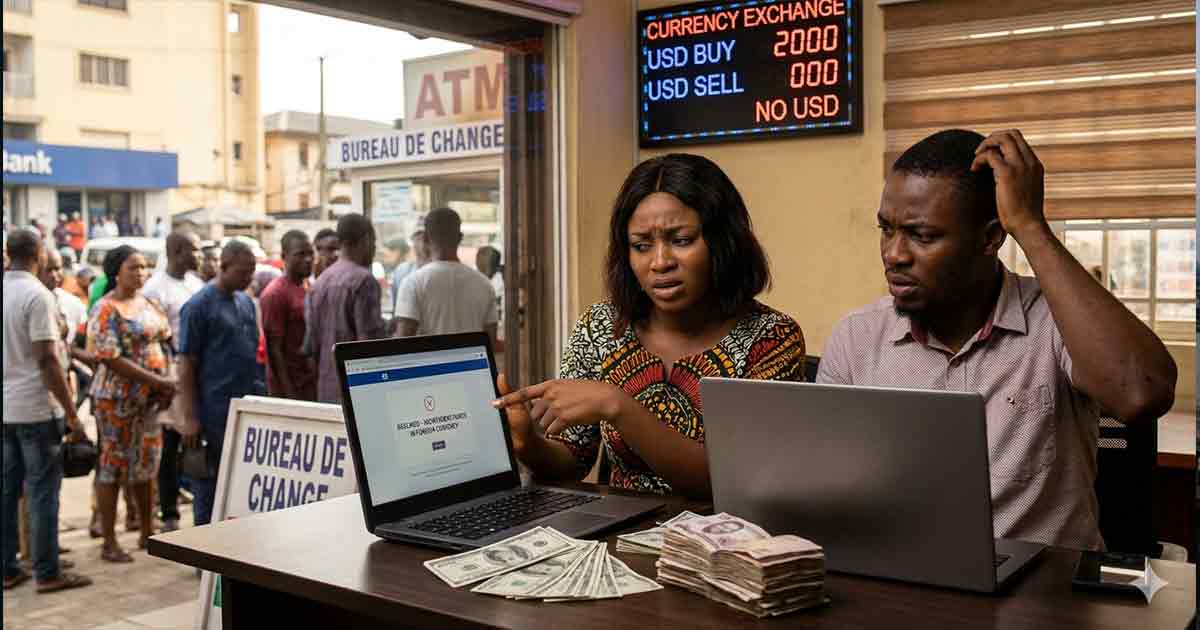
The Dollar Problem Is Not Going Away
If you have tried to pay school fees abroad, book an international flight, shop on Amazon, or pay a foreign supplier recently, you already know the problem. Getting US dollars in Nigeria is harder, more expensive, and more unpredictable than it should be. This is not a new story — but it is one that keeps getting more complicated for ordinary Nigerians.
Dollar scarcity in Nigeria is a structural issue rooted in the country's heavy dependence on oil exports for foreign exchange earnings, combined with high demand for dollars across education, travel, imports, and debt servicing. When oil revenues fall or dollar inflows slow, the gap between supply and demand widens — and everyday Nigerians feel it directly.
What Dollar Scarcity Actually Means in Practice
The headlines talk about exchange rates and CBN policy. But what does dollar scarcity actually mean for a regular Nigerian trying to get things done?
School Fees Abroad
Parents sending children to universities in the UK, US, Canada, or other countries face a painful reality: the official bank rate is often unavailable or capped, forcing them to source dollars at the parallel market rate — which can be significantly higher. A tuition payment that cost ₦3 million two years ago might now cost ₦6 million or more for the same dollar amount.
International Travel
Travelers need dollars for visa fees, hotel bookings, and spending money abroad. Banks frequently impose low limits on dollar card spending or decline international transactions entirely. Many Nigerians have been stranded or embarrassed abroad when their cards stopped working.
Online Shopping and Subscriptions
Paying for Netflix, Spotify, Adobe, AWS, or any dollar-denominated service has become a recurring headache. Many Nigerian debit cards are blocked for international transactions. Those that work often have low monthly limits that do not cover business needs.
Business Payments
Importers, freelancers, and small business owners who need to pay foreign suppliers or receive international payments face constant friction. Wire transfers are slow, expensive, and sometimes rejected. The cost of doing cross-border business has risen sharply.
Who Is Most Affected?
Dollar scarcity does not hit everyone equally. The groups feeling it hardest include:
- Students and parents: International tuition and living expenses are the single largest dollar expenditure for many Nigerian families.
- Freelancers and remote workers: Those earning in dollars need reliable ways to receive and convert payments without losing too much to fees or unfavorable rates.
- Small importers: Businesses that source goods from China, the US, or Europe need consistent dollar access to keep inventory moving.
- Tech professionals and entrepreneurs: Paying for cloud services, software licenses, and international tools is a constant operational challenge.
- Travelers: Anyone needing to fund international trips faces both the scarcity problem and the rate problem simultaneously.
Workarounds That Actually Work
The good news is that Nigerians are resourceful, and a range of practical solutions has emerged. None of them are perfect, but each addresses a specific part of the problem.
1. Virtual Dollar Cards
Virtual dollar cards are prepaid cards denominated in US dollars that you can fund with naira and use for online payments. Several Nigerian fintech companies offer them, and they work for most international websites, subscriptions, and online stores.
Best for: Online shopping, subscriptions, paying for digital services, booking hotels and flights online.
Limitations: Monthly funding limits apply. Not all platforms accept prepaid cards. Some cards have been blocked by specific merchants.
How to get one: Apps like Grey, Chipper Cash, Payday, and several others offer virtual dollar cards. Sign up, complete KYC verification, fund with naira, and start spending in dollars.
2. USDT and Stablecoins
For larger amounts or situations where a card is not accepted, USDT (a dollar-pegged stablecoin) offers a flexible alternative. You can buy USDT with naira via P2P platforms, hold it as dollar-equivalent savings, and send it to anyone globally.
Best for: Sending money abroad, paying international suppliers, preserving savings in dollar value, receiving payments from foreign clients.
Limitations: Requires crypto knowledge. Not all recipients can accept USDT. Regulatory environment in Nigeria is subject to change.
3. Gift Cards as a Dollar Proxy
In some cases, gift cards serve as a practical workaround. If you need to pay for a specific service (like an Amazon purchase or an Apple subscription), buying the relevant gift card and using it directly avoids the dollar card problem entirely.
Best for: Specific platform purchases where gift cards are accepted.
Limitations: Only works for platforms that accept gift cards. Not a general-purpose dollar solution.
4. Domiciliary Accounts
A domiciliary account at a Nigerian bank allows you to hold and transact in foreign currencies. If you receive dollar payments from abroad (salary, freelance income, remittances), a domiciliary account lets you hold those dollars rather than converting immediately.
Best for: Receiving and holding dollar income, making wire transfers, funding international travel.
Limitations: Opening one requires documentation and bank approval. Dollar funding from the bank itself is often limited or unavailable. You typically need to fund it yourself from incoming transfers.
5. Fintech Platforms with Multi-Currency Wallets
Platforms like Grey Finance, Geegpay, and similar services allow Nigerians to hold USD, GBP, EUR, and other currencies in a digital wallet. You can receive international payments directly into these wallets and convert to naira when you choose.
Best for: Freelancers, remote workers, and anyone receiving regular international payments.
Limitations: Conversion rates vary. Some platforms have withdrawal limits or fees.
What to Avoid
Not every workaround is safe. Here are the traps to steer clear of:
- Unofficial Bureau de Change operators: Buying dollars from unverified street traders or informal operators carries real risk of counterfeit notes, fraud, or robbery.
- Unregistered crypto platforms: Stick to well-known, established platforms. Small or unknown platforms have a higher risk of exit scams or frozen funds.
- Advance fee schemes: Anyone promising to get you dollars at below-market rates in exchange for an upfront fee is almost certainly running a scam.
- Overfunding virtual cards: Only load what you need. If a card is compromised, you want to limit your exposure.
The Bigger Picture
Dollar scarcity in Nigeria is a policy and structural problem that individual workarounds cannot fully solve. The long-term fix requires diversifying Nigeria's export base, improving the business environment for foreign investment, and building more transparent and efficient forex markets.
But while waiting for systemic change, Nigerians have shown remarkable adaptability. Virtual cards, stablecoins, multi-currency wallets, and fintech platforms have collectively created a parallel infrastructure that gives individuals more options than they had five years ago.
The key is knowing which tool fits which situation — and avoiding the scams and pitfalls that come with operating in an environment where official channels are unreliable.
Quick Reference: Which Tool for Which Need?
| Need | Best Option |
|---|---|
| Online shopping / subscriptions | Virtual dollar card |
| Sending money abroad | USDT / fintech transfer |
| Receiving freelance payments | Multi-currency wallet (Grey, Geegpay) |
| Saving in dollar value | USDT stablecoin |
| Paying specific platforms | Gift cards |
| Holding dollar income | Domiciliary account |