Blog
How to Eat Better on a Tight Salary in Nigeria When Food Prices Keep Rising
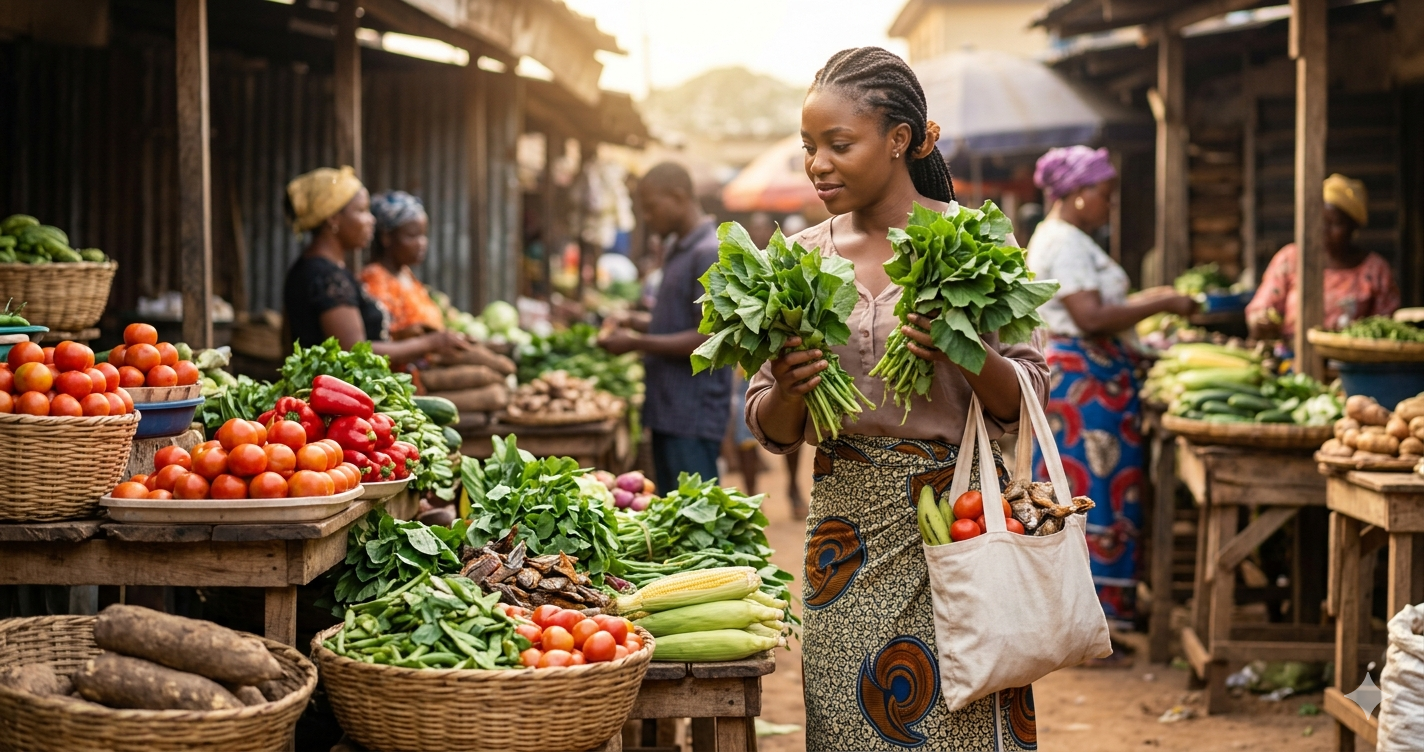
Why Eating Well Now Feels Like a Salary Problem
For many Nigerians, eating healthy is no longer just about discipline. It is about mathematics. Food prices, transport costs, market disruptions, and unstable income have turned basic meal planning into a monthly struggle. A worker may receive a salary and immediately start calculating how much will go to rice, beans, garri, vegetables, cooking gas, transport, rent, and data.
Recent public discussions around food affordability show why the issue has become viral. In some states, the cost of a basic healthy diet can take up most of the national minimum wage. That means many people are not choosing between luxury and savings. They are choosing between protein and transport, fruit and data, or a balanced meal and rent pressure.
This guide is not about pretending that budgeting alone can solve food inflation. It cannot. But a better food plan can reduce waste, protect nutrition, and help a tight salary go further.
Start With a Real Food Budget, Not a Perfect One
A food budget should match your real income and location. Prices in Lagos, Ekiti, Abuja, Enugu, Kano, Ibadan, Port Harcourt, and smaller towns can be very different. Do not copy a meal plan from someone whose market prices, family size, cooking access, and salary are different from yours.
Start by writing three numbers: how much you earn, how much must go to fixed bills, and how much is realistically left for food. Then divide the food money into weekly portions. This prevents the common mistake of buying heavily in the first week and struggling in the last ten days of the month.
Build Meals Around Affordable Nutrition
Choose staples that hold you well
Staples like rice, beans, garri, yam, potatoes, plantain, oats, pap, and whole grains can form the base of affordable meals. The key is not to eat only carbohydrates. The key is to use staples as a base and add the most affordable protein, vegetables, and healthy fats you can manage.
Protect protein in your plan
When money is tight, protein is often the first thing people cut. That can affect energy, satiety, and long-term health. If meat is too expensive, compare eggs, beans, moi moi, groundnuts, crayfish, sardines, fish, yoghurt, soy products, and small portions of chicken or beef. You may not need a large piece of meat every day to improve a meal.
Use vegetables strategically
Vegetables can be expensive when bought carelessly, but they can also stretch meals well. Buy what is seasonal and available in your market. Ugu, waterleaf, okra, cabbage, carrots, tomatoes, peppers, onions, and local greens vary in price. Choose based on current market reality, not habit.
Reduce Waste Before You Reduce Nutrition
Food waste is silent salary leakage. Throwing away spoiled tomatoes, leftover rice, unused vegetables, or expired pantry items is the same as losing cash. Before cutting important foods from your diet, fix the waste problem first.
- Cook portions you can finish or store safely.
- Use leftover rice for fried rice, jollof mix, or rice and beans instead of discarding it.
- Blend pepper in batches only if you can preserve it properly.
- Keep dry foods away from moisture and pests.
- Plan meals around what you already have before buying more.
Buy With Timing and Teamwork
Market timing can matter. Some items are cheaper early in the morning, while some sellers reduce prices near closing time. Bulk buying can also help, but only when you can store the item and when the “bulk price” is truly cheaper. Buying a full bag of rice is not savings if it forces you to borrow for transport or rent.
For students, young workers, and small households, group buying may work better. Two or three trusted people can share a bag of rice, beans, garri, onions, or cooking oil. This gives some bulk advantage without putting too much pressure on one person’s cash flow.
A Simple Weekly Meal Planning Method
Instead of planning thirty different meals, plan around repeatable combinations. Choose two breakfast options, three lunch or dinner bases, and two quick backup meals. For example, a week could rotate between pap and akara, oats, rice and beans, yam and egg, swallow with vegetable soup, and noodles upgraded with egg or vegetables.
The point is not to make every meal exciting. The point is to reduce random spending. When there is no plan, hunger pushes people into expensive emergency choices: daily takeout, roadside snacks, unplanned soft drinks, or transport to buy food that could have been cooked earlier.
Watch the Hidden Costs Around Food
The price of food is not only what you pay in the market. Transport, cooking gas, electricity, water, storage, and time also matter. A cheap item that takes too much gas to prepare may not be cheap for your situation. A market with lower prices may not save money if transport cancels the difference.
If cooking gas is a major cost, consider meals that can be prepared in batches. If electricity is unreliable, avoid buying frozen items you cannot preserve. If you work long hours, prepare simple meals ahead so tiredness does not turn into daily food delivery.
Do Not Let Social Pressure Control Your Plate
Food spending is also emotional. People feel pressure to eat like colleagues, post nice meals, buy branded snacks, or avoid looking “broke.” On a tight salary, private discipline matters more than public appearance. A simple home-cooked meal can protect your money better than an impressive lunch that creates debt before month-end.
This does not mean you should never enjoy food. It means enjoyment should be planned. Set aside a small amount for treats if possible, but do not let treats consume the money meant for basic nutrition.
When the Budget Still Does Not Work
If your food budget fails even after careful planning, the issue may be income, not discipline. At that point, consider practical income improvements: extra shifts, freelance work, reselling, learning a digital skill, or negotiating support within your household. Also review other expenses such as subscriptions, impulse data purchases, avoidable bank charges, and transport patterns.
Food inflation is a real pressure, and no one should be shamed for struggling. But a clear plan can still make the difference between constant panic and controlled survival.
Bottom Line
Eating better on a tight salary in Nigeria requires more than motivational advice. It requires honest budgeting, market awareness, reduced waste, affordable protein, seasonal vegetables, and fewer emergency purchases. You may not be able to control national food prices, but you can control how quickly your food money disappears.