Blog
How Card Payment Processing Works in Nigeria: Fees, Rails, and What Users Should Know
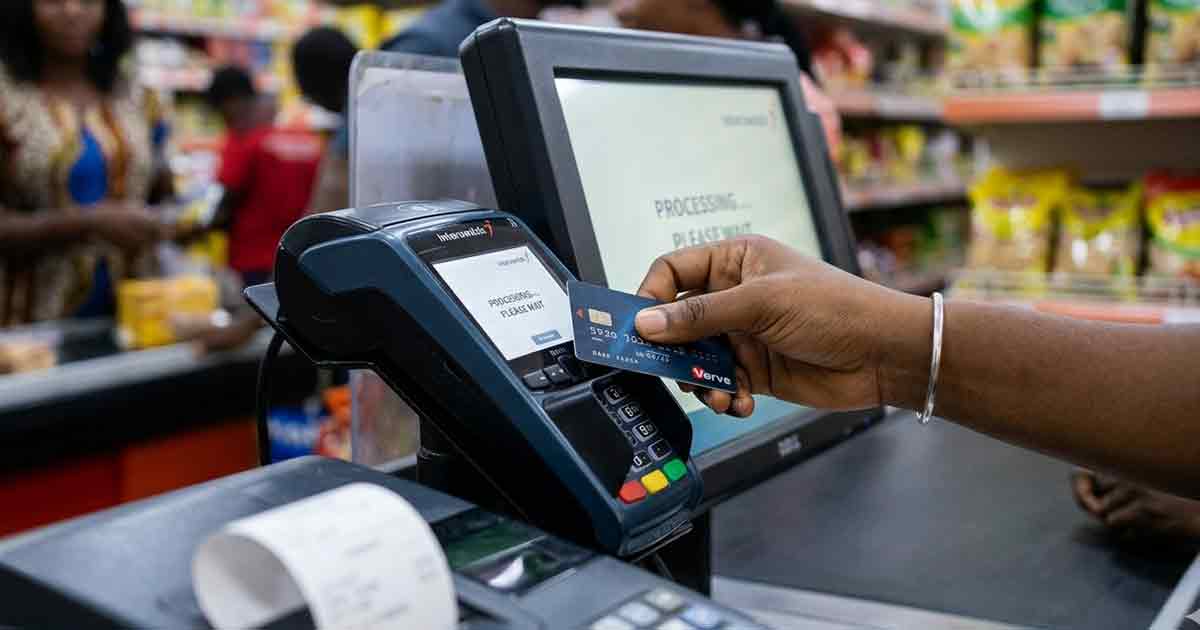
Card payments in Nigeria look simple from the customer side: you insert a card at a POS terminal, tap a contactless card, or enter card details on a checkout page. Behind that small action is a chain of banks, processors, switches, card schemes, fraud checks, and settlement rules. Understanding that chain helps users know why some transactions fail, why merchants pay fees, and why digital payment infrastructure has become one of the most important parts of Nigerian fintech.
This guide explains card payment processing in plain English, with a Nigerian context for consumers, small merchants, online sellers, and anyone trying to understand how money moves when a debit or prepaid card is used.
What Is Card Payment Processing?
Card payment processing is the system that confirms a card payment, moves the request between financial institutions, approves or rejects the transaction, and eventually settles the money to the merchant. It applies to POS payments in shops, card payments on websites, subscriptions, delivery apps, and some wallet-funded checkout experiences.
In Nigeria, the process usually involves several parties:
- The cardholder: the person using a debit, prepaid, or credit card.
- The merchant: the business accepting the payment.
- The acquiring bank or payment processor: the institution that gives the merchant access to card acceptance.
- The issuing bank: the bank that issued the customer's card.
- Payment switches and processors: the infrastructure providers that route transaction messages.
- Card schemes: networks such as Verve, Mastercard, or Visa that set rules for certain card transactions.
- Regulators and industry bodies: including the Central Bank of Nigeria and relevant payment-system operators.
How a Card Payment Works at a POS Terminal
When a Nigerian customer pays with a card at a POS terminal, the transaction usually follows these steps:
- The terminal reads the card. The POS captures card details through chip, swipe, contactless, or other supported methods.
- The merchant amount is submitted. The POS sends the amount and transaction details to the acquiring bank or processor.
- The transaction is routed. A payment switch or card network routes the request to the customer's issuing bank.
- The issuing bank checks the account. It verifies PIN or authentication data, account balance, card status, limits, and fraud signals.
- The bank approves or declines. If approved, the customer's balance may be debited or placed on hold.
- The POS prints or displays a result. The merchant sees whether the payment was successful.
- Settlement happens later. The merchant does not always receive the money instantly. Settlement depends on the processor, bank, payment type, and operational rules.
This is why a transaction can show as successful on a customer's bank alert while a merchant still waits for confirmation or settlement. Authorization and final settlement are connected, but they are not always the same moment.
How Online Card Payments Work in Nigeria
Online card payments follow the same broad logic, but the customer's card is not physically present. Instead, the checkout page collects card details and sends the payment through a payment gateway.
A typical online card payment includes:
- Card data capture: the customer enters the card number, expiry date, CVV, and billing details where required.
- Authentication: the bank may request an OTP, PIN, app approval, or 3D Secure verification.
- Risk screening: the gateway and bank check for unusual patterns, location risk, velocity, and transaction limits.
- Authorization: the issuing bank confirms whether the payment can go through.
- Merchant confirmation: the gateway sends a success or failure response to the website.
- Settlement: the gateway or acquiring partner pays the merchant after processing fees and settlement timing rules.
For Nigerian online sellers, the gateway is especially important because it handles card acceptance, some fraud checks, payment confirmation, reporting, and settlement into a business account.
Why Card Payments Matter in Nigerian Fintech
Card payments are no longer just a convenience feature. They sit inside a larger digital payment economy that includes transfers, wallets, agency banking, bill payments, subscriptions, and cross-border commerce. Recent reporting on Nigerian banking results shows that transaction fees and electronic payment income have become major revenue lines for large financial institutions. That matters because it confirms a broader shift: moving money digitally can be more predictable than lending money in a difficult credit environment.
For fintech companies, card payments create several business opportunities:
- POS terminals for merchants and agents
- Online checkout for e-commerce sellers
- Virtual cards for digital spending
- Expense cards for teams and businesses
- Embedded card payments inside apps
- Settlement and reconciliation tools for merchants
For users, the benefit is simpler: cards make it easier to pay without carrying cash, shop online, access international services where supported, and keep clearer transaction records.
Common Fees in Card Payment Processing
Card payments are not free to process. Someone in the chain pays for the infrastructure, fraud control, network access, and settlement. Depending on the business model, fees may be charged to the merchant, built into product pricing, or sometimes passed to the customer.
Common fee categories include:
- Merchant service charge: a percentage or fixed fee paid by the merchant for accepting card payments.
- Gateway fee: a fee charged by an online payment gateway for processing web or app transactions.
- Switching or processing cost: the cost of routing payment messages through payment infrastructure.
- Card scheme fee: charges linked to card network rules, especially for scheme-backed transactions.
- Chargeback cost: possible cost when a customer disputes a transaction and the merchant cannot prove valid delivery.
- Settlement or payout fee: a cost that may apply when funds are paid into the merchant's account.
Small merchants should not only compare headline transaction fees. They should also check settlement speed, dispute support, failure reversal process, terminal reliability, and customer service quality.
Why Card Transactions Fail in Nigeria
Failed card payments are common enough that many users assume the system is random. In most cases, there is a specific reason. The problem can come from the customer's bank, the merchant terminal, the processor, the switch, the network, or the risk system.
Common reasons include:
- Insufficient balance or daily transaction limit
- Wrong PIN, expired card, or blocked card
- Poor network connection at the POS location
- Processor or switch downtime
- Bank security rules blocking unusual transactions
- OTP delay or failed online authentication
- Merchant terminal configuration issues
- Temporary settlement or reversal delays
If a transaction fails but your account is debited, keep the receipt or transaction reference. Most reversals are handled through the bank or payment provider, but clear evidence makes resolution faster.
Authorization, Settlement, and Reversal: The Difference
Many payment complaints happen because users mix up three separate stages.
Authorization
Authorization is the bank's approval that a transaction can proceed. It checks whether the card is valid, the account can cover the payment, and the transaction is allowed.
Settlement
Settlement is the actual movement of money to the merchant. It may happen later than authorization, especially when processors batch transactions or when banks reconcile payments at specific times.
Reversal
A reversal happens when a failed or disputed transaction is returned to the customer. Reversals can be instant, same-day, or delayed depending on the bank and the transaction trail.
Knowing the difference helps customers avoid double payments and helps merchants avoid releasing goods when payment confirmation is unclear.
What Merchants Should Check Before Choosing a Card Processor
A cheap transaction fee is useful, but it should not be the only factor. Nigerian merchants should ask practical questions before choosing a POS provider or online gateway.
- Settlement speed: How quickly will money enter your account?
- Failure handling: What happens when a customer is debited but the POS says failed?
- Dispute support: Is there a clear process for chargebacks and complaints?
- Network reliability: Does the terminal work well in your location?
- Transaction reporting: Can you reconcile daily sales easily?
- Security controls: Does the provider support fraud monitoring and secure authentication?
- Customer support: Can you reach support during business-critical hours?
For high-volume businesses, reconciliation is especially important. A processor that gives clean reports can save more money than a provider with a slightly lower fee but poor visibility.
Safety Tips for Customers Using Cards
Customers also have a role in keeping card payments safe. Basic habits can reduce fraud and failed-payment stress.
- Do not share your PIN, OTP, card number, CVV, or banking password.
- Use trusted checkout pages and avoid entering card details on suspicious websites.
- Enable bank alerts so you can spot unauthorized deductions quickly.
- Keep POS receipts until the transaction is fully confirmed.
- Use virtual cards or spending limits for online subscriptions where available.
- Report lost cards immediately to your bank.
- Check your statement regularly for unknown small charges.
The Future of Card Payments in Nigeria
Nigeria's payment market is moving toward more digital rails, more merchant tools, and more competition between banks and fintechs. Transfers have become very popular, but cards still matter because they support POS payments, online checkout, subscriptions, travel spending, and global card-network access where enabled.
The next stage will likely focus on reliability, faster dispute resolution, stronger fraud prevention, better merchant dashboards, and smoother integration between bank accounts, wallets, cards, and payment links. Users will not care which company sits behind the transaction. They will care whether the payment works, whether their money is safe, and whether problems are resolved quickly.
Bottom Line
Card payment processing in Nigeria is a multi-party system involving banks, processors, switches, gateways, card schemes, merchants, and regulators. A successful transaction depends on more than the card itself. It depends on authentication, routing, authorization, settlement, reconciliation, and support.
For consumers, understanding the process helps explain failed transactions and reversals. For merchants, it helps in choosing the right POS or payment gateway. For fintech watchers, it shows why payment infrastructure remains one of the most valuable parts of Nigeria's digital economy.