Blog
How to Stay Safe When Trading Gift Cards Online in Nigeria
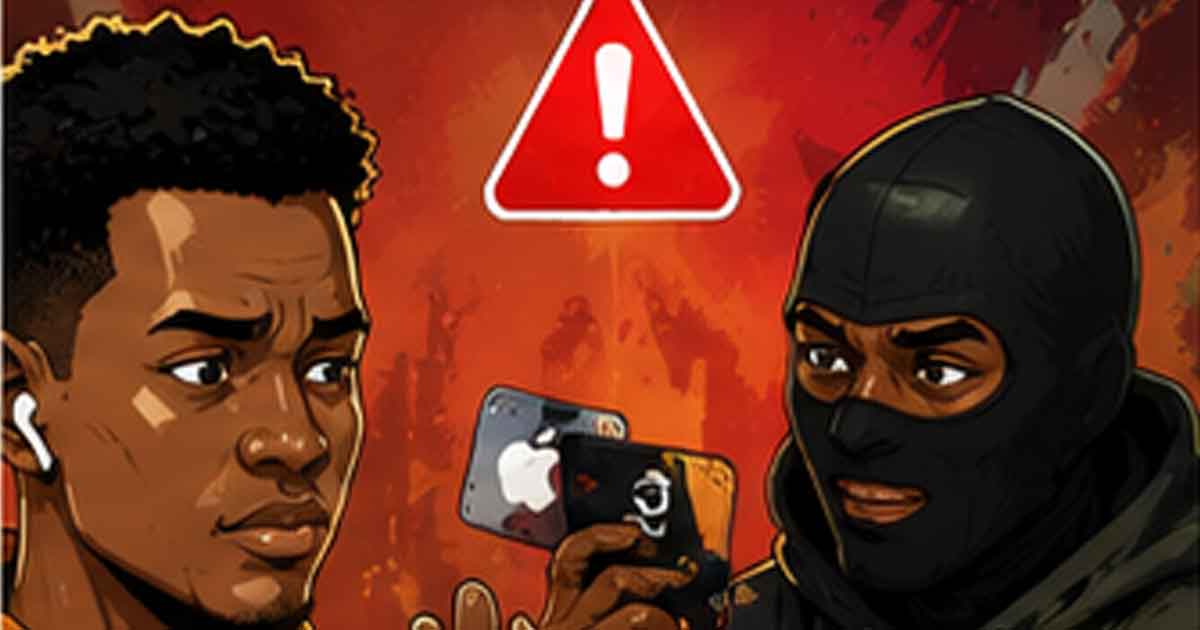
Why Gift Card Trading Safety Matters in Nigeria
Gift card trading has become one of the most popular ways Nigerians convert foreign digital assets into naira. Platforms like Amazon, iTunes, Steam, and Google Play gift cards are traded daily across the country. But with the growth of this market comes a parallel rise in scams targeting sellers — especially first-timers who do not know what red flags to watch for.
This guide breaks down the most common scam tactics used in Nigeria, how to identify a trustworthy platform, and exactly what to do if you have already been defrauded.
Most Common Gift Card Scam Tactics in Nigeria
1. Fake Buyers on Social Media
Facebook groups, WhatsApp contacts, and Telegram channels are flooded with people claiming to buy gift cards at rates higher than any legitimate platform offers. These fake buyers follow a predictable script:
- They contact you first, often through DM, claiming they saw your post or were referred by a mutual contact.
- They offer suspiciously high rates — sometimes 20 to 30 percent above market — to create urgency.
- After you send the card details, they claim the card is invalid or already redeemed and disappear.
- Some will ask you to send a test card first to verify your legitimacy before they pay for the main batch.
No legitimate buyer operates this way. Real platforms have automated systems — they do not need to negotiate rates in your DMs.
2. Fake Trading Platforms
Scammers build websites that look like real gift card trading platforms. They copy the design of known platforms, use similar domain names, and even create fake reviews. Once you submit your card details, the site either shows a processing screen indefinitely or pays you once to build trust before disappearing with a larger batch.
Signs of a fake platform include no verifiable business registration or physical address in Nigeria, no active social media presence with real engagement, customer support that only responds via WhatsApp rather than a ticketing system, rates that are consistently higher than every other platform, and no clear terms of service or dispute policy.
3. Phishing Links and Fake Login Pages
Some scammers send links via SMS or WhatsApp that look like login pages for real platforms. When you enter your credentials, they capture your username and password and drain your account balance. Always check the URL carefully before logging in — legitimate platforms use HTTPS and their exact registered domain.
4. The Verified Vendor Claim on Nairaland and Telegram
A common Nigerian scam script involves someone presenting a screenshot of a verified vendor badge or a fake transaction history to appear credible. These screenshots are easily fabricated. Verification on a third-party forum or Telegram group means nothing — it only matters if the platform itself has a formal KYC and vendor verification process.
5. Overpayment and Reversal Scams
In this scheme, a buyer sends you more money than agreed, then asks you to refund the excess. The original payment is later reversed, leaving you out of both the card and the refunded amount. Never accept overpayments, and never send a refund before the original payment fully clears.
Red Flags Checklist: When to Walk Away
Before trading with any buyer or platform, run through this checklist:
- They contacted you first via DM with an unsolicited offer
- The rate offered is significantly higher than current market rates
- They ask you to send card details before payment is confirmed
- The platform has no verifiable Nigerian business registration
- Customer support is only reachable via a personal WhatsApp number
- The website domain is slightly misspelled or uses a free hosting service
- They pressure you to act fast or claim the rate will drop in minutes
- They ask for a test card or verification fee before trading
- Payment is made via a personal bank account, not a business account
- No clear dispute resolution process exists
What a Legitimate Gift Card Trading Platform Looks Like
A trustworthy platform will have most or all of the following characteristics:
- Transparent rate display: Rates are publicly listed and updated in real time. You do not need to negotiate.
- Automated card processing: You submit the card, the system verifies it, and payment is sent — no human middleman required for standard trades.
- Verified business identity: The platform has a registered Nigerian business name, a physical or verifiable address, and active social media accounts with real user engagement.
- Secure website: HTTPS, a legitimate domain, and no requests for your login credentials via external links.
- Clear terms and dispute process: If something goes wrong, there is a documented process for raising a complaint and getting a resolution.
- Consistent payment history: Real user reviews on independent platforms confirm timely payments.
Safe Selling Checklist: Step-by-Step
- Choose a known platform — Use platforms with a verifiable track record in Nigeria. Check independent reviews before your first trade.
- Verify the URL — Before logging in or submitting any card, confirm you are on the correct domain. Bookmark it after your first visit.
- Check the current rate — Compare the platform rate against at least one other source. If one platform is offering dramatically more, treat it as a red flag, not a deal.
- Never share card details in DMs — All legitimate platforms have a submission form or trade portal. If someone asks you to send card details via WhatsApp or Telegram, stop immediately.
- Submit only through the official portal — Use the platform trade interface, not a link sent to you by a third party.
- Wait for payment confirmation before considering the trade closed — A pending notification is not the same as a completed payment.
- Keep records — Screenshot your trade confirmation, the card details you submitted, and the payment received. Store these for at least 30 days.
What to Do If You Have Already Been Scammed
If you have been defrauded in a gift card trade, act quickly.
Step 1: Document Everything
Screenshot all conversations, transaction records, the platform or account you traded with, and any payment confirmations. Do this before the scammer blocks you or deletes the account.
Step 2: Report to the Platform
If the scam happened on a legitimate platform or involved someone impersonating it, report the incident to the real platform support team. They may be able to flag the fraudulent account.
Step 3: File a Report with EFCC or NITDA
Nigeria's Economic and Financial Crimes Commission and the National Information Technology Development Agency both accept cybercrime and fraud reports. File a formal complaint with as much documentation as possible. While recovery is not guaranteed, reporting helps build a case and may prevent others from being victimized.
Step 4: Report to Your Bank
If any bank transfer was involved, contact your bank immediately. In some cases, a reversal or freeze may be possible if reported quickly enough.
Step 5: Warn Others
Post a warning in relevant communities — Nairaland, Twitter/X, or trusted WhatsApp groups — with details of the scam method. This helps others avoid the same trap.
Frequently Asked Questions
Is it safe to trade gift cards on WhatsApp?
No. WhatsApp is not a trading platform — it is a messaging app. Anyone asking you to trade gift cards via WhatsApp is operating outside any regulated or accountable system. Use a dedicated platform with a formal trade process.
How do I know if a gift card trading site is legit?
Check for a registered Nigerian business name, HTTPS on the website, active and verifiable social media presence, transparent rate listings, and independent user reviews. If any of these are missing, proceed with extreme caution.
What is the safest gift card to trade in Nigeria?
Amazon, iTunes, and Google Play gift cards are the most commonly traded and have the most liquid market. However, safety depends on the platform you use, not the card type.
Can I get my money back after a gift card scam?
In most cases, no — gift card transactions are difficult to reverse. Your best option is to report to EFCC and your bank immediately and document everything for any potential investigation.
Are high rates always a scam?
Not always, but consistently higher-than-market rates with no verifiable platform behind them are a strong warning sign. Legitimate platforms compete on reliability and speed, not just rate.
Final Word
Gift card trading in Nigeria is a real and viable way to convert digital assets to naira — but it requires the same caution you would apply to any financial transaction. Stick to platforms with a verifiable track record, never trade in DMs, and keep records of every transaction. The few minutes it takes to verify a platform can save you from losing thousands of naira to a scam that could have been avoided.