Blog
How to Use Virtual Dollar Cards for Online Payments in Nigeria
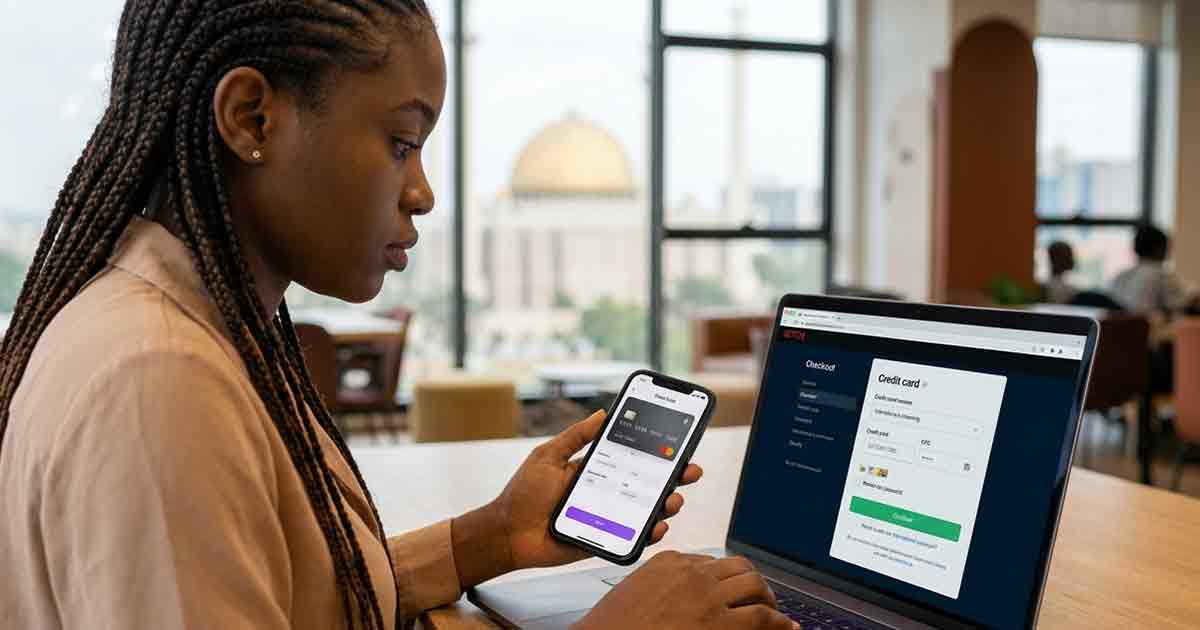
Paying online from Nigeria is not always as simple as entering your debit card details and clicking checkout. Many local naira cards struggle with international websites, dollar subscriptions, advertising platforms, travel bookings, software tools, and foreign e-commerce stores. Even when a card works once, it may fail later because of spending limits, currency restrictions, bank policies, or merchant checks.
This is why virtual dollar cards have become useful for many Nigerians who need a more predictable way to pay online in USD. A virtual dollar card is not magic, and it does not remove every payment problem. But when used correctly, it can make international online payments easier, safer, and more manageable.
What Is a Virtual Dollar Card?
A virtual dollar card is a digital payment card issued in US dollars. It usually comes with a card number, expiry date, and CVV, just like a physical Visa or Mastercard. The main difference is that the card exists inside an app or online wallet instead of as plastic in your hand.
You fund the card through the provider's approved funding options, and the balance is held or spent in dollars. When you pay on a website that accepts the card network, the merchant charges the card in USD or another supported foreign currency. This makes the card useful for services that do not accept regular naira cards or that decline local cards during checkout.
Why Nigerians Use Virtual Dollar Cards for Online Payments
The main reason is simple: many Nigerian users need access to global digital services, but local payment rails can be unreliable for foreign transactions. A student may need to pay for an online course. A freelancer may need to renew a design tool. A small business owner may need to pay for Facebook ads, domain hosting, or a SaaS subscription. A shopper may want to buy from an international store.
In these situations, a virtual dollar card can help because it is designed for online payments that require foreign currency. It also gives users more control than using one main bank card everywhere. You can create a card for a specific purpose, fund it with the amount needed, and reduce the risk of exposing your main bank account to multiple websites.
Common Things You Can Pay For With a Virtual Dollar Card
Virtual dollar cards are most useful when the merchant accepts online card payments and charges in dollars or another foreign currency. Common examples include:
- Streaming subscriptions and entertainment platforms
- Online courses, exam resources, and learning tools
- Domain names, hosting, cloud tools, and website services
- Design, productivity, writing, and AI software subscriptions
- International e-commerce checkouts
- Ad platforms used by small businesses and creators
- Travel-related bookings where a dollar card is accepted
Acceptance still depends on the merchant. Some platforms block prepaid cards, virtual cards, cards from certain regions, or cards that do not match the user's billing country. Before funding a card for a large payment, check whether the merchant accepts virtual or prepaid cards.
How to Use a Virtual Dollar Card in Nigeria
The exact process depends on the provider, but the basic steps are usually similar.
1. Choose a Reliable Provider
Start by comparing card providers based on more than marketing claims. Look at card creation fees, funding charges, exchange rate markup, maintenance fees, transaction fees, refund handling, spending limits, supported merchants, customer support, and account verification requirements. A card with a low creation fee may still be expensive if the exchange rate is poor or refund support is weak.
2. Complete Verification
Most serious providers will ask for some form of identity verification. This can include your name, phone number, email address, BVN-related checks, national ID, passport, driver's licence, voter card, or a selfie. This process helps providers meet compliance requirements and reduce fraud.
3. Create the Card
After verification, create a virtual dollar card inside the app or dashboard. Some providers let you name the card based on its purpose, such as “Subscriptions,” “Shopping,” or “Ads.” Naming cards clearly can help you track spending and avoid mixing personal and business payments.
4. Fund the Card
Fund the card with enough money for the payment plus possible fees. Do not fund only the exact listed price if the provider charges a separate transaction fee, cross-border fee, VAT-related charge, or exchange rate spread. If a subscription costs $20, the actual amount required may be slightly higher.
5. Add the Card at Checkout
Enter the card number, expiry date, CVV, billing name, and billing address requested by the merchant. Use details that are consistent with your account and provider instructions. Some failed payments happen because the billing country, ZIP code, or cardholder details do not match what the payment processor expects.
6. Keep Records
Save payment receipts, merchant emails, and transaction references. This matters when a payment fails, a subscription renews unexpectedly, or a refund is delayed. With virtual cards, refunds can take time because the merchant, card network, and provider all have to process the reversal.
How to Choose the Right Virtual Dollar Card
The best card is not always the one with the most popular name. The right choice depends on what you want to pay for and how often you will use it.
For Subscriptions
If you are paying for recurring services, check monthly maintenance fees, renewal reliability, and whether the card stays active long enough for repeat billing. A card that works for one-time shopping may not be ideal for long-term subscriptions if it expires quickly or gets disabled after inactivity.
For Online Shopping
Check merchant acceptance, refund processing, and chargeback support. Online shopping comes with a higher chance of failed orders, cancelled transactions, or returns, so refund handling is important.
For Business Tools and Ads
Look at spending limits, account stability, transaction history, and support response time. If your website hosting, ad account, or business software depends on the card, a sudden decline can disrupt work.
For Occasional Payments
If you only need to pay once or twice, focus on simple onboarding, clear funding charges, and no unnecessary maintenance cost. You may not need the provider with the highest limit if your payment is small.
Costs to Check Before Funding a Card
Virtual dollar card costs change often, so avoid relying only on old fee tables. Before funding, check the provider's current charges inside the app or official website. Important costs include:
- Card creation fee: the cost of generating a new card.
- Funding fee: the charge applied when you add money to the card.
- Exchange rate: the naira-to-dollar conversion rate used by the provider.
- Maintenance fee: any monthly or periodic charge for keeping the card active.
- Transaction fee: extra fee for spending, especially on foreign merchants.
- Refund rules: how long refunds take and whether any fee applies.
A small difference in exchange rate can matter if you fund large amounts or pay for subscriptions every month. Always calculate the total naira cost before confirming the transaction.
Why Virtual Dollar Card Payments Fail
A virtual dollar card can still be declined. Common reasons include insufficient balance, wrong billing details, blocked merchant category, provider downtime, card spending limit, security review, expired card details, or merchant restrictions against prepaid cards.
If your payment fails, do not keep retrying aggressively. First confirm your balance, fees, billing address, and card status. Then check whether the merchant accepts virtual cards. If the transaction was debited but the order failed, contact the provider with the receipt, merchant name, amount, and transaction time.
Safety Tips for Nigerian Users
Because virtual cards are easy to create and fund, users sometimes become careless. Treat your card details like cash. Do not share screenshots of the card number, expiry date, or CVV. Avoid saving card details on websites you do not trust. Use separate cards for different purposes where possible, and freeze or delete cards you no longer need.
Also be careful with social media vendors who claim they can create “special” dollar cards without verification or proper account ownership. If you do not control the account behind the card, you may lose access to the balance, refunds, or transaction records.
Virtual Dollar Card vs Naira Card
A naira card is convenient for local payments, transfers, ATM usage, and everyday spending in Nigeria. A virtual dollar card is better suited for online payments that require foreign currency or where naira cards are regularly declined. Many users need both: a local card for domestic spending and a dollar card for global digital payments.
The goal is not to replace every payment method with a virtual card. The goal is to use the right payment tool for the right situation.
Pre-Payment Checklist
Before you use a virtual dollar card, run through this quick checklist:
- Have you confirmed that the merchant accepts virtual or prepaid cards?
- Is the card balance enough for the price plus fees?
- Are the billing details correct?
- Have you checked the provider's current exchange rate?
- Do you understand the refund process if the order fails?
- Is the card limit high enough for the transaction?
- Have you saved proof of payment?
Final Thoughts
Virtual dollar cards are useful for Nigerians who need to pay online in USD without depending only on local naira cards. They can help with subscriptions, shopping, business tools, online courses, ads, and other international payments. But they work best when users understand fees, limits, merchant acceptance, refund delays, and security risks.
Before choosing a provider, compare the real total cost and test with a small payment where possible. A good virtual dollar card should not only work at checkout; it should also give you clear fees, stable access, responsive support, and reliable transaction records.
FAQs
Can I use a virtual dollar card for Netflix, Spotify, or other subscriptions?
Yes, if the platform accepts the card type and your billing details pass the payment processor's checks. Some platforms may reject prepaid or virtual cards, so acceptance is not guaranteed.
Is a virtual dollar card better than a Nigerian naira card?
It depends on the payment. For local Nigerian transactions, a naira card is usually easier. For international online payments in USD, a virtual dollar card may be more reliable.
Can a virtual dollar card be declined?
Yes. Declines can happen because of low balance, fees, merchant restrictions, wrong billing details, limits, expired card details, or provider security checks.
Should I keep a large balance on a virtual dollar card?
It is safer to fund based on your actual payment needs. Keeping unnecessary funds on a card can create avoidable risk if the card is compromised or the provider has account issues.