Blog
iTunes vs Amazon Gift Card: Which Pays More in Nigeria?
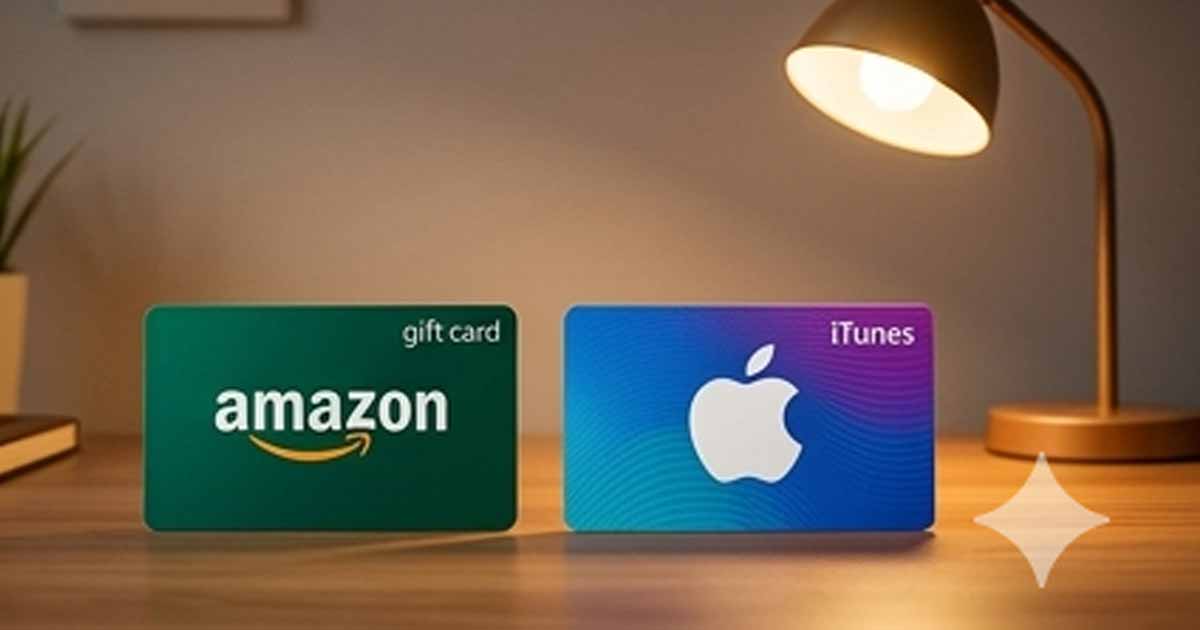
iTunes vs Amazon Gift Card: Which Pays More in Nigeria?
If you have both an iTunes and an Amazon gift card sitting in your drawer, you might assume they are worth the same in naira since they carry the same dollar value. That assumption would cost you money.
Gift card rates in Nigeria vary significantly by brand, and understanding why helps you make smarter selling decisions. This guide compares iTunes (Apple) and Amazon gift cards head-to-head, explains the rate differences, and shows you how to consistently get the best value.
The Short Answer
In most market conditions, iTunes (Apple) gift cards pay more than Amazon gift cards in Nigeria. A $100 Apple card typically returns more naira than a $100 Amazon card. However, this gap fluctuates, and there are times when Amazon rates become competitive.
Why iTunes Cards Usually Pay More
Stronger Local Demand
Apple services are deeply embedded in Nigerian digital life. iPhone users need Apple gift cards for App Store purchases, iCloud storage upgrades, Apple Music subscriptions, and in-app purchases. This creates consistent, high-volume demand that keeps rates elevated.
Limited Supply
Fewer iTunes cards enter the Nigerian resale market compared to Amazon cards. When demand is high and supply is constrained, rates naturally increase. Platforms compete for iTunes card inventory by offering better rates to sellers.
Faster Resale Cycle
Trading platforms can move iTunes cards quickly because buyers are always waiting. This fast turnover means platforms face less holding risk, allowing them to offer sellers more competitive rates.
Why Amazon Cards Often Pay Less
Oversupply in the Market
Amazon gift cards are among the most commonly available cards globally. They are frequently given as corporate rewards, promotional incentives, and gifts. This abundance means the resale market is saturated, pushing rates down.
Lower Direct Utility in Nigeria
While Amazon is a massive global platform, direct Amazon shopping from Nigeria involves international shipping costs and logistics challenges. This reduces the immediate utility of Amazon cards for Nigerian end-users compared to iTunes cards.
Slower Platform Turnover
Because demand is more moderate, platforms may hold Amazon card inventory longer before reselling. This holding period represents risk, which is reflected in lower rates offered to sellers.
When Amazon Cards Can Match or Beat iTunes Rates
The iTunes advantage is not absolute. Amazon cards perform better during:
- Holiday shopping seasons: Black Friday, Christmas, and Prime Day increase Amazon card demand globally
- Platform promotions: Some trading platforms run temporary rate boosts for Amazon cards to attract inventory
- Supply shortages: If iTunes card supply suddenly increases while Amazon supply drops, the gap narrows
- High-denomination trades: Larger Amazon cards ($200+) sometimes attract premium rates
Rate Comparison: What to Expect
While exact rates change daily, here is a general framework for understanding the difference:
- iTunes cards typically trade at a 10-20% premium over Amazon cards of the same denomination
- Physical cards of both types usually pay more than e-codes
- US-region cards pay more than UK or Canadian versions for both brands
- Higher denominations sometimes get slightly better per-dollar rates
The only way to know exact current rates is to check a live rate calculator before selling.
Factors That Affect Both Card Types
Dollar-to-Naira Exchange Rate
Both iTunes and Amazon card values in naira move with the exchange rate. When the dollar strengthens against the naira, both card types pay more. When the naira strengthens, both rates decline.
Card Format
Physical cards with receipts generally command higher rates than digital e-codes. This applies to both iTunes and Amazon cards because physical cards carry lower fraud risk for buyers.
Time of Day and Week
Trading activity peaks in evenings and on weekends. Rates during these periods may be slightly more competitive as platforms compete for volume.
Platform Choice
Different platforms offer different rates for the same card. The spread between platforms can be significant enough to justify checking multiple options before selling.
How to Maximize Your Payout
- Always check live rates before committing to a sale. Never rely on rates you saw yesterday or last week.
- Compare at least two platforms to ensure you are getting a competitive offer.
- Sell during peak demand periods when platforms are actively competing for inventory.
- Keep your cards in good condition with receipts if physical, as this can affect the rate offered.
- Consider timing if your sale is not urgent. Waiting a day or two for better rates can add meaningful naira to your payout.
Which Card Should You Buy for Resale?
If you are purchasing gift cards specifically for resale in Nigeria, iTunes cards are generally the better choice due to consistently higher rates. However, this only makes sense if your purchase price is low enough to maintain a profitable margin after selling.
Never buy gift cards for resale at full retail price expecting to profit from the naira conversion alone. The math only works with discounted purchases.
Final Thoughts
iTunes gift cards pay more than Amazon gift cards in Nigeria under most market conditions. The difference comes down to supply and demand dynamics: Apple cards face stronger demand and tighter supply, while Amazon cards are abundant and face more moderate demand.
Regardless of which card you hold, the principles for maximizing value remain the same: check live rates, compare platforms, sell during peak periods, and never rush a transaction based on outdated information.