Blog
How Naira Devaluation Affects Everyday Nigerians — And Practical Ways to Protect Your Income
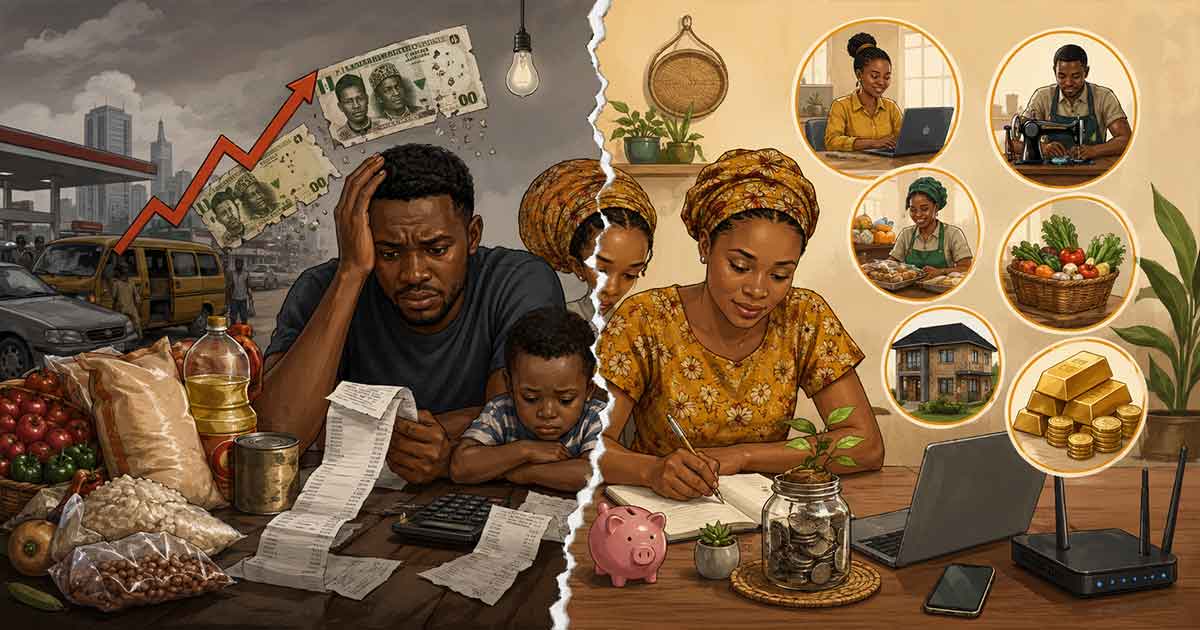
If your salary feels smaller every quarter even though the number on your payslip hasn't changed, you are not imagining it. The naira has lost a large chunk of its purchasing power in the last two years, and most Nigerians are absorbing that loss quietly — through more expensive rice, fuel, school fees, data bundles and rent.
This is not another doom article. The goal here is simple: explain how naira devaluation actually reaches your wallet, and lay out practical, low-drama steps you can take to protect your income. No magic, no get-rich-quick schemes — just choices that real working Nigerians are already using.
What "naira devaluation" really means in daily life
Officially, devaluation is when the naira buys fewer dollars than it did before. In daily life it shows up in much smaller ways:
- A ₦200,000 monthly salary that used to be worth around $450 a couple of years ago is now closer to $120–$130 at the parallel market rate.
- Imported goods — phones, laptops, baby formula, building materials, even Indomie cartons that depend on imported wheat — get re-priced upward every few weeks.
- Local businesses raise prices because their input costs (diesel, packaging, spare parts, software subscriptions) are dollar-linked.
- Subscription services like Netflix, Spotify, Adobe and ChatGPT silently double in naira terms even when the dollar price doesn't change.
The painful part is that wages do not adjust at the same speed. Most employers review salaries once a year, sometimes less. The naira can lose 20–30% of its value in the same period. That gap is the hidden tax devaluation places on every Nigerian who earns and spends in naira.
Where the damage actually shows up
1. Your salary's purchasing power
Your salary is a fixed naira number, but the basket of goods you buy is partly dollar-priced. When the naira falls, your real income falls with it, even if HR insists nothing has changed. A teacher in Ibadan earning ₦150,000 today is buying noticeably less rice, fuel and data than the same teacher earning ₦150,000 in 2022.
2. Naira savings
Money sitting in a regular Nigerian savings account at 4–6% interest cannot keep up with double-digit inflation and a falling currency. In real terms, idle naira savings shrink. The longer it sits, the more it loses.
3. Debt that looked manageable
If you took a personal loan, BNPL plan or POS overdraft based on your old salary, devaluation makes repayment harder because the rest of your bills now consume more of your take-home. Variable-rate loans get even worse when CBN raises interest rates to defend the naira.
4. Future plans
School fees abroad, a Japa plan, a laptop upgrade, a car part you've been saving for — anything priced in dollars becomes a moving target. People who delayed those plans by a year are quietly paying 40–60% more in naira for the exact same item.
Six practical ways to protect your income
You cannot single-handedly fix the macroeconomy, but you can change your personal exposure to it. These are the six most realistic moves for everyday Nigerians.
1. Earn at least part of your income in dollars
This is the single biggest lever. If even 20–30% of your monthly income is dollar-denominated, you have a natural hedge: when the naira falls, that portion automatically becomes worth more in local terms.
Realistic options include:
- Remote work for foreign employers via platforms like Deel, Remote.com, Toptal or direct contracts.
- Freelance writing, design, development, video editing or virtual assistance on Upwork, Contra, Fiverr or LinkedIn.
- Selling digital products (templates, ebooks, courses, Notion setups) to a global audience through Gumroad or Lemon Squeezy.
- Affiliate income from US/EU-based programs paid in USD.
You do not need to quit your job. Even one dollar-paying side gig changes your risk profile.
2. Hold part of your savings in USDT or USD
Stablecoins like USDT and USDC are pegged to the dollar. For Nigerians, they are one of the most accessible ways to park value outside the naira without needing a foreign bank account. You can buy USDT through reputable P2P platforms, hold it in a self-custody wallet or on a regulated exchange, and convert back to naira only when you actually need to spend.
Important caveats:
- Stablecoins are not risk-free. Use well-known issuers and avoid obscure "yield" platforms promising 20%+ returns.
- Always self-verify wallet addresses; P2P scams target beginners.
- Treat crypto as a savings tool, not a trading casino. Resist the urge to chase memecoins with your devaluation hedge.
For users who prefer traditional channels, domiciliary accounts and dollar mutual funds (offered by some Nigerian asset managers) are slower but more conventional alternatives.
3. Convert idle gift cards and foreign balances into naira at the right time
Many Nigerians receive gift cards from foreign clients, family abroad, app rewards or affiliate payouts — Amazon, Steam, iTunes, Google Play, Apple, Sephora and others. Sitting on those cards is the same mistake as holding idle naira: their dollar value is fine, but you lose flexibility.
A smarter approach:
- Track parallel market rates and sell when the rate spikes, not when you are desperate for cash.
- Use trusted gift card trading platforms with transparent rates and fast payouts; avoid "agent" deals on WhatsApp from strangers.
- If you don't need the naira immediately, swap the card to USDT instead of naira to preserve dollar value.
Gift cards are essentially small chunks of dollar liquidity. Treat them with the same seriousness as cash.
4. Control naira-denominated debt
In a devaluation cycle, the worst position to be in is highly indebted in naira with no dollar income. The bills compound while your real wages shrink.
Concrete steps:
- Pay down high-interest loans (loan apps, BNPL, POS borrowing) before stacking new ones.
- Be careful with variable-rate facilities; CBN's response to devaluation is usually higher interest rates.
- Avoid taking loans to fund lifestyle spending (parties, gadgets) — only borrow for things that can earn you back the money.
5. Build a real side hustle, not a vibe
A second income stream is no longer optional for most working Nigerians. The point is not to be "busy" — it is to widen the gap between what you earn and what you spend, so that you can save and invest the difference.
Side hustles that hold up well during devaluation:
- Skills paid by foreign clients (writing, code, design, paid ads, SEO, no-code automation).
- Small import-and-resell models with fast turnover, not heavy inventory.
- Service-based businesses with low overhead (tutoring, consulting, fitness coaching).
- Reselling underused assets — your car on weekends, a spare room, equipment you already own.
Avoid "Ponzi"-style platforms and any opportunity that promises a guaranteed monthly return. They reliably collapse, and they collapse fastest in a stressed economy.
6. Spend with the exchange rate in mind
Devaluation is also a spending problem, not just an earning problem. Small habits add up:
- Audit your subscriptions yearly. Cancel anything you don't actively use; pay annually in dollars where it's clearly cheaper.
- For big purchases like phones or laptops, buy when the FX rate is calmer, not after a sharp depreciation.
- Choose locally produced alternatives for everyday items where the quality gap is small.
- Track your real monthly burn in dollar terms once a quarter. It gives you a clearer picture than the naira number alone.
Risks and honest reminders
No strategy on this list is a free lunch. Some realistic risks to keep in mind:
- Regulation: Crypto and gift card trading rules in Nigeria can change. Use compliant platforms and keep records.
- Scams: Most devaluation-era losses do not come from the market — they come from fake P2P traders, fake remote jobs, and fake "investment clubs." Verify before sending anything.
- Concentration risk: Don't put everything in one asset, one platform or one client. Diversify across naira, dollar-cash equivalents, and skills.
- Tax and compliance: Foreign income may have reporting obligations as Nigerian tax rules evolve. Keep clean records.
- Emotional decisions: Selling everything at the bottom or chasing every rate spike usually destroys more value than it protects.
Bottom line
You cannot stop the naira from moving. You can decide how exposed your household is to that movement. Practically, that means earning some dollars, parking some savings in dollar-equivalent assets, converting idle gift cards strategically, keeping debt under control, building a second income, and spending with a sharper eye on the exchange rate.
None of these steps are dramatic on their own. Stacked together, they are the difference between watching your income quietly shrink every year — and quietly outpacing the devaluation that everyone else is complaining about.