Blog
Official vs Black Market Dollar Rate in Nigeria: What the Gap Means for Everyday Users
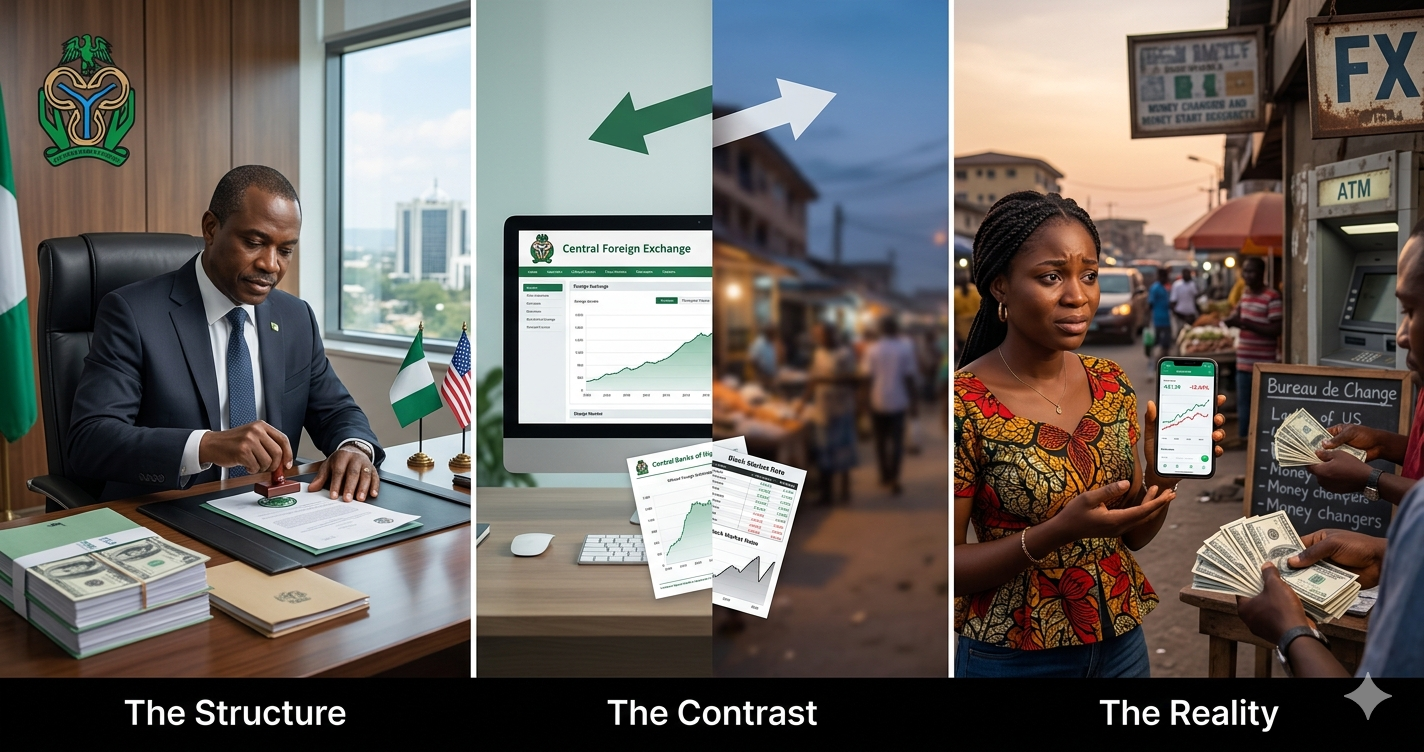
Why Nigerians Compare Two Dollar Rates
Many Nigerians do not ask for “the dollar rate” anymore. They ask which rate: the bank rate, the official market rate, the app rate, the Bureau de Change rate, or the street rate. This is because the price of the dollar can differ depending on where someone is trying to buy, sell, receive, or spend foreign currency.
The official rate is usually connected to regulated market windows and bank-linked transactions. The black market, also called the parallel market, is informal and often faster for people who cannot access dollars through banks when they need them. The difference between both rates is called a gap, spread, or disparity.
For an everyday user, this gap is not just a financial headline. It can affect school fees, import payments, online subscriptions, travel budgets, dollar savings, freelance income, and the Naira value of money received from abroad.
What Creates a Gap Between Official and Parallel Rates?
1. Limited dollar supply
When banks and official channels cannot meet all legitimate demand for foreign exchange, some users move to the parallel market. Importers, parents paying foreign school fees, medical travelers, small businesses, and people handling urgent dollar payments may need faster access than official channels can provide.
2. Speed and convenience
The parallel market often feels faster because it is less formal. That speed can attract users who are under pressure, even if the rate is worse. In foreign exchange, timing matters. A business waiting for stock, a student facing a payment deadline, or a traveler booking tickets may accept a higher rate to avoid delay.
3. Confidence and speculation
If people believe the Naira may weaken, some buyers may rush to buy dollars early. This can increase demand in the parallel market and widen the gap. Speculation does not always come from big investors. Ordinary people can also behave defensively when they fear another exchange rate jump.
4. Policy delays and market uncertainty
Even when policy announcements sound positive, users care about what happens in practice. If dollar allocations are delayed, if banks are unclear about access, or if market participants doubt supply consistency, demand may shift outside official channels.
How the Rate Gap Affects Everyday Nigerians
Online payments become harder to plan
If you pay for hosting, courses, software, streaming, ads, or shopping in dollars, the rate used by your card or payment provider matters. A small difference can become large when payments repeat monthly or when the bill is high.
Import prices can rise
Many Nigerian sellers price goods based on replacement cost. If they expect to restock at a higher dollar rate, they may increase prices even before new stock arrives. This is one reason exchange rate uncertainty can quickly show up in gadget prices, fashion items, spare parts, and imported food products.
Families receiving dollars may compare cash-out options
Someone receiving money from abroad may ask whether to hold dollars, convert immediately, use a fintech app, sell through a regulated channel, or keep funds for future expenses. The wider the gap, the more tempting it becomes to chase a better rate, but that can also increase fraud and compliance risks.
Dollar savings can feel attractive but risky
Some Nigerians hold part of their savings in dollars or stable-value assets to reduce Naira exposure. This may help in some situations, but it is not risk-free. Access, fees, platform safety, regulation, and personal cash needs all matter. Nobody should move money into dollars simply because social media says the Naira will fall.
What to Check Before Buying or Selling Dollars
- Check multiple sources: Compare your bank, official market updates, licensed providers, and trusted financial news before making a decision.
- Ask what rate applies to your exact transaction: Card payments, transfers, cash exchange, remittance, and app conversions may use different rates.
- Confirm fees: A good exchange rate can become poor after transfer fees, withdrawal charges, or hidden spreads.
- Verify the counterparty: Avoid anonymous dealers, fake app agents, and social media pages promising impossible rates.
- Keep records: Save receipts, transaction IDs, and messages, especially for business or school-related payments.
- Do not use illegal shortcuts: A better rate is not worth losing money, breaking rules, or exposing your bank account.
How Small Businesses Can Reduce FX Stress
Small businesses that depend on imported stock should avoid pricing only from yesterday’s rate. A better approach is to track replacement cost, delivery cost, clearing cost, payment fees, and expected delay. Business owners can also separate urgent dollar needs from flexible purchases. Not every transaction has to be made at the worst possible moment.
Where possible, negotiate with suppliers for partial payments, local alternatives, or longer planning cycles. The aim is not to predict the exchange rate perfectly. It is to reduce panic decisions when the market moves quickly.
What the Rate Gap Does Not Mean
A wider gap does not automatically mean everyone should buy dollars immediately. It also does not mean every black market quote is reliable. Rates can change during the day, and quoted prices may differ from actual transaction prices. Always verify current information before acting.
It is also important to separate personal finance from speculation. If you need Naira for rent, food, transport, or school costs, locking too much money in dollars may create cash flow problems. If you earn in dollars, converting everything at once may also be unwise if you have future dollar expenses. The best decision depends on your income, obligations, timeline, and risk tolerance.
Bottom Line
The official and black market dollar rate gap matters because it reflects more than numbers. It shows pressure around supply, access, confidence, and timing. For everyday Nigerians, the practical response is to verify rates, understand fees, avoid panic, and use safer channels for conversions.
Exchange rates will continue to move, but careful users can protect themselves by asking better questions before each transaction: Which rate applies? What fee is included? How urgent is this payment? Is the channel safe? Those questions can prevent expensive mistakes.