Blog
How to Prepare Financially for a Family Medical Emergency in Nigeria
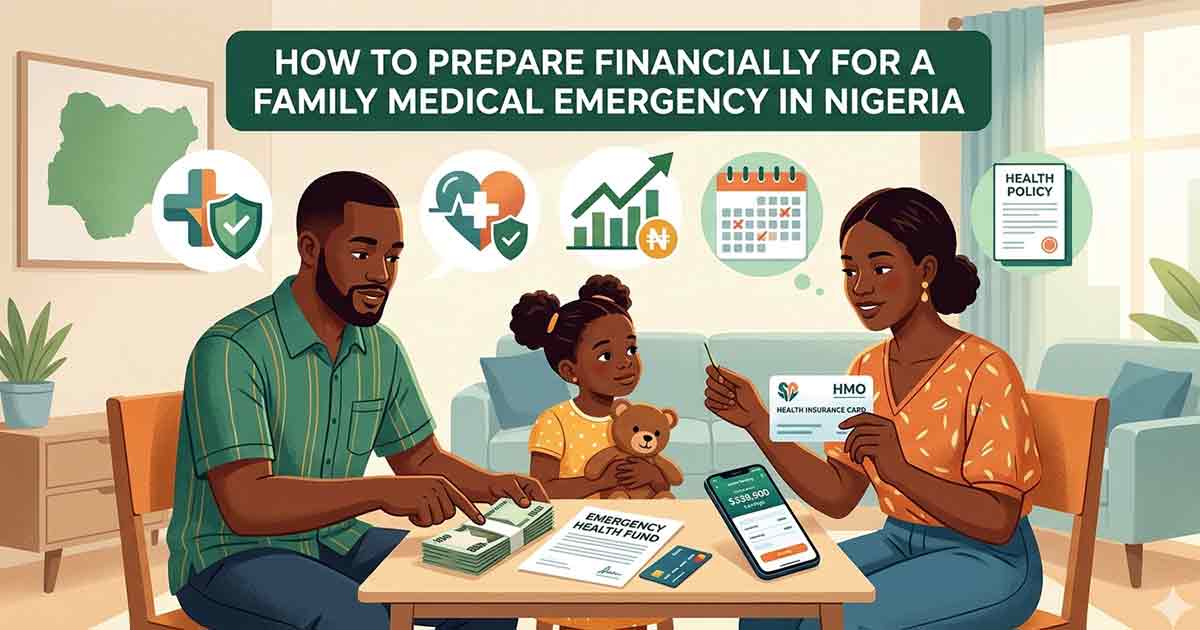
A serious illness in the family can change a person's finances faster than almost any everyday expense. In Nigeria, where hospital deposits, drug costs, specialist tests, and travel between facilities can pile up quickly, many people do not only face grief. They also face debt, guilt, and pressure from relatives who expect them to solve everything.
This guide is not a medical guide and it does not tell families when to continue or stop treatment. It focuses on the money side: how to prepare, what to document, how to share responsibility, and how to avoid turning one emergency into years of financial damage.
Why medical emergencies hit Nigerian families so hard
Many households plan for rent, school fees, feeding, transport, and small support requests. Fewer households plan for a diagnosis that requires repeated tests, surgery, long-term medication, or admission in a private facility. When the emergency arrives, the family often starts looking for money under pressure.
That pressure can lead to rushed loans, selling assets below value, stopping personal savings completely, or one child carrying bills that should be shared by many adults.
Build a realistic emergency fund, not a perfect one
An emergency fund does not need to cover every possible hospital bill. For many Nigerians, that would be unrealistic. The goal is to create breathing space for the first stage of an emergency: consultation, tests, transport, deposits, and immediate medication.
A practical target is to separate emergency savings into three layers:
| Layer | Purpose | Where to keep it |
|---|---|---|
| Quick cash | First 24 to 72 hours of urgent expenses. | Accessible bank or wallet account. |
| Medical reserve | Tests, drugs, admission deposits, specialist visits. | Separate savings account or locked savings with short withdrawal terms. |
| Asset backup | Larger costs if the illness becomes long-term. | Low-risk investments or assets that can be sold without panic. |
Do not keep all emergency money in a place that takes too long to access. At the same time, do not keep everything in your daily spending account where it can disappear into normal expenses.
Understand health insurance before you need it
Health insurance can help, but it is not magic. Many plans have limits, exclusions, waiting periods, hospital networks, and claim rules. The mistake is assuming that because you have an HMO card, every serious bill will be covered.
Before an emergency, review:
- Which hospitals are covered.
- Whether specialist care is included.
- Annual coverage limits.
- Drug, surgery, scan, and cancer treatment limits.
- Rules for pre-existing conditions.
- Whether parents or dependants can be added.
If your employer provides HMO coverage, ask for the benefit document, not just the card. If you are self-employed, compare plans carefully and ask direct questions about exclusions.
Create a family emergency contact and money file
During an emergency, people waste time searching for documents. A simple family medical file can reduce confusion. It should include:
- Hospital cards and patient ID numbers.
- Known medical conditions and current medication.
- HMO details and policy numbers.
- Emergency contacts.
- Previous test results.
- Receipts and invoices from each hospital visit.
- Names and phone numbers of doctors or clinics involved.
Keep digital copies in a secure cloud folder and physical copies in one envelope. Share access with at least one trusted family member.
Do not carry the whole bill silently
In many families, one person becomes the default payer because they earn more, live abroad, are the first child, or are seen as more responsible. Helping family is not wrong, but silent responsibility can become financially dangerous.
When the bills start, create a contribution plan early. List the expected costs, what has been paid, what is outstanding, and who can contribute cash, transport, hospital errands, food, caregiving time, or negotiation support. Not everyone can give the same amount, but responsibility should be visible.
Set loan boundaries before desperation sets in
Loans can help in an emergency, but uncontrolled borrowing can become a second crisis. Before taking any loan, ask:
- What exact bill will this loan pay?
- Is there a cheaper source of funds?
- What is the total repayment amount, not just the amount received?
- Can my salary handle the repayment and basic living costs?
- What happens if treatment continues for another three months?
Avoid stacking several small loan app debts without tracking them. The individual amounts may look manageable, but the combined repayment dates can trap your next salary before it arrives.
Ask doctors financial questions, not only medical questions
Families often feel ashamed to discuss money with doctors, but treatment decisions usually have cost implications. Ask respectfully:
- What is urgent and what can wait?
- What is the estimated cost for this stage of treatment?
- Are there lower-cost facilities for specific tests?
- What complications could increase the bill?
- Are there generic medication options?
- What signs mean we should return immediately?
These questions do not mean you value money over life. They help the family plan with clearer information.
Keep receipts and track every payment
When emotions are high, tracking money may feel insensitive. It is not. Good records help with insurance claims, family accountability, employer support requests, charity applications, and future planning.
Create a simple spreadsheet or note with date, hospital, purpose, amount, payer, receipt status, and outstanding balance. This prevents confusion when multiple relatives are sending money or when a hospital asks for proof of payment.
Protect the caregiver's own finances
If you are the main payer or caregiver, you still need food, rent, transport, rest, and a future after the emergency. Spending everything may feel noble in the moment, but it can leave you unable to continue helping.
Set a minimum personal survival amount that should not be touched except in the most extreme situation. If you empty your account completely, you may end up borrowing for transport, feeding, and basic work expenses.
Final thoughts
No spreadsheet can remove the pain of a loved one's illness. But planning can reduce avoidable financial damage. Build a small emergency fund, understand insurance limits, keep documents ready, share responsibility early, ask cost questions, and be careful with loans. In a medical crisis, love matters. So does structure.