Blog
How to Sell a Foot Locker Gift Card for Naira or USDT in Nigeria
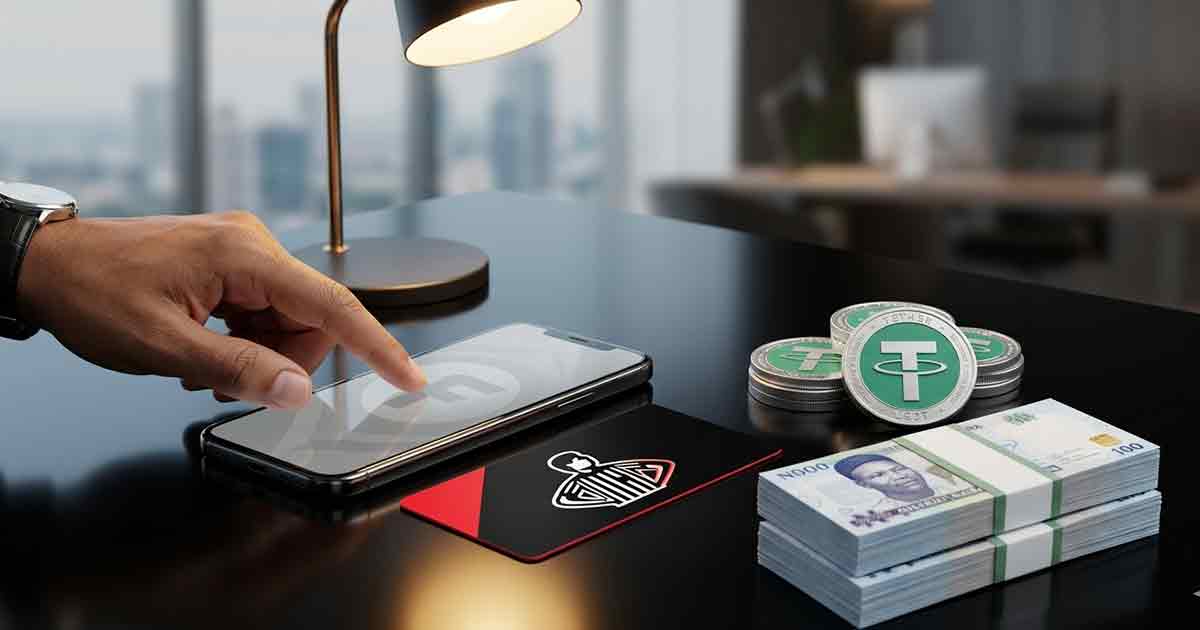
Foot Locker gift cards are useful if you shop for sneakers, sportswear, and accessories in stores where the card is accepted. But if you live in Nigeria and do not plan to use the card yourself, the more practical option may be to sell it for Naira or convert it to USDT.
This guide explains how Foot Locker gift card trading works, what affects the rate, when to choose Naira or USDT payout, and the checks you should make before sending your card details to any buyer or platform.
What Is a Foot Locker Gift Card?
A Foot Locker gift card is a prepaid store card that can be used to buy eligible products from Foot Locker. It may come as a physical card or as a digital code. Depending on the card format, it may include a card number, PIN, claim code, receipt, or activation details.
Foot Locker is mainly known for sneakers and sportswear from brands such as Nike, Adidas, Jordan, Puma, and Converse. For someone outside the supported shopping region, however, redeeming the card directly can be inconvenient. That is why many Nigerian users prefer to trade the card for cash value instead of leaving it unused.
Can You Sell a Foot Locker Gift Card in Nigeria?
Yes, you can sell a Foot Locker gift card in Nigeria through a gift card trading platform or a verified buyer that supports the card category. The buyer confirms the card details, checks the available balance, applies the current rate, and pays you in Naira, USDT, or another supported payout option.
The key point is that the card must be valid, readable, and tradable. A card with unclear details, missing PIN, suspected prior use, or no proof of purchase may receive a lower rate or may be rejected.
Why Nigerians Sell Foot Locker Gift Cards for Naira or USDT
Many Foot Locker gift cards are received from friends, family members, online clients, giveaways, or international purchases. If the recipient cannot shop easily on Foot Locker, the card becomes idle value. Selling it allows the owner to unlock that value for daily expenses or digital savings.
- Naira payout is useful when you need quick local cash for bills, transfers, food, data, or other immediate expenses.
- USDT payout is useful when you want to hold value in a dollar-linked asset, pay online, or keep funds for future crypto transactions.
Neither option is automatically better. The right choice depends on your need for liquidity, your comfort with crypto wallets, and the exchange rate available at the time of trade.
What Determines the Foot Locker Gift Card Rate?
Foot Locker gift card rates are not fixed forever. A rate you see today may change tomorrow because gift card resale markets depend on demand, supply, platform risk, and card verification speed. Before selling, always check the live rate rather than relying on an old quote.
Common factors that affect your final value include:
1. Card denomination
A $25 card, $50 card, $100 card, and $250 card may not always be valued in the same way. Some buyers prefer certain denominations because they are easier to resell or verify.
2. Card format
Physical cards and e-codes may attract different rates. A physical card with a clean image and receipt may be treated differently from a digital code with limited purchase proof.
3. Proof of purchase
Receipts and activation slips can improve trust. They show that the card was obtained legitimately and may reduce the chance of dispute during verification.
4. Market demand
If buyers have strong demand for Foot Locker cards, rates can improve. If demand is low or many traders are selling the same card type, rates may drop.
5. Payout method
Naira and USDT payouts may be calculated differently. USDT may appeal to users who want dollar-linked value, while Naira is simpler for local spending. Always compare the effective value before confirming the trade.
How to Sell a Foot Locker Gift Card for Naira or USDT
The exact process depends on the platform you use, but a safe trading flow should look like this:
- Check your card details. Confirm the card number, PIN, balance, and whether the card is physical or digital.
- Check the current Foot Locker gift card rate. Do not rely on old blog rates or screenshots. Gift card prices change often.
- Choose your payout option. Select Naira if you want local cash. Select USDT if you want a dollar-linked crypto payout and already know how to receive it safely.
- Upload clear card proof. If it is a physical card, take a sharp picture of the front and back where required. If it is an e-code, submit the code and purchase proof according to the platform rules.
- Review the trade amount. Confirm the card value, rate, fees if any, and final payout before submitting.
- Wait for verification. A serious platform will verify the card before payment. Processing time depends on card type and risk checks.
- Receive payment. Once approved, you should receive Naira in your bank account or USDT in the wallet address you provided.
Naira vs USDT: Which Payout Should You Choose?
Choose Naira if your main goal is immediate spending in Nigeria. It is easier to understand, easier to receive through a local bank account, and better for users who do not want to manage crypto wallets.
Choose USDT if you already understand wallet addresses, network fees, and crypto transfer risks. USDT can help you keep value in a dollar-linked form, but a wrong wallet address or unsupported network can lead to permanent loss. If you are new to crypto, confirm the network and wallet address carefully before submitting a trade.
Safety Checklist Before Trading Your Foot Locker Card
Gift card trading can be profitable, but it is also a common target for scams. Use this checklist before sending your card details:
- Use a platform with visible rates, clear payout rules, and reachable customer support.
- Avoid random social media buyers who ask for the full code before quoting a serious rate.
- Do not trade with anyone who pressures you to act quickly without explaining the process.
- Keep screenshots of the trade, rate, card details submitted, and payment confirmation.
- Do not send your USDT wallet seed phrase or private key. A buyer only needs your receiving wallet address.
- Confirm whether the platform accepts your exact Foot Locker card type before uploading it.
Common Problems When Selling Foot Locker Gift Cards
The card shows invalid
This can happen if the card was not activated properly, the code was typed incorrectly, the PIN is damaged, or the card has already been used. Recheck the card details and provide the receipt if available.
The rate is lower than expected
Rates depend on demand and risk. A lower quote does not always mean the buyer is cheating you, but you should compare more than one trusted platform before accepting the trade.
The buyer asks for too much information
A platform may need card details and proof of ownership, but it should not ask for sensitive banking passwords, crypto private keys, or unrelated personal information.
Payment is delayed
Some cards take longer to verify, especially if the image is unclear or the proof is incomplete. Check the platform's stated processing time and contact support with your trade reference if the delay is unusual.
Tips to Get Better Value From Your Foot Locker Gift Card
- Trade when the platform shows a favorable live rate.
- Submit clean images and complete card information to reduce verification friction.
- Keep the receipt or activation proof whenever possible.
- Compare Naira and USDT payout values before choosing one.
- Avoid splitting one trade across unknown buyers just to chase a slightly higher rate.
Frequently Asked Questions
How much is a $100 Foot Locker gift card in Naira?
The Naira value depends on the current Foot Locker gift card rate, the card type, and the platform's market demand. Check a live rate calculator or request a current quote before trading.
Can I sell a Foot Locker gift card for USDT?
Yes, some gift card platforms support USDT payout. Make sure you provide the correct wallet address and network because crypto transfers are usually irreversible.
Do I need a receipt to sell a Foot Locker gift card?
A receipt may not always be compulsory, but it can improve trust and reduce verification issues. Some buyers may offer better acceptance for cards with proof of purchase.
Is it safe to sell Foot Locker gift cards online in Nigeria?
It can be safe if you use a verified platform, check live rates, avoid random buyers, and never share sensitive account or wallet security details.
Conclusion
Selling a Foot Locker gift card for Naira or USDT is a practical way to turn unused store value into money you can actually use in Nigeria. The best result comes from checking the live rate, choosing the right payout method, submitting complete card proof, and trading only through a trusted platform.
If you need quick local spending money, Naira payout is usually simpler. If you want to hold dollar-linked value and already understand crypto transfers, USDT may be more suitable. In both cases, verify the buyer before exposing your card details.