Blog
How to Send Money Internationally From Nigeria Using USDT
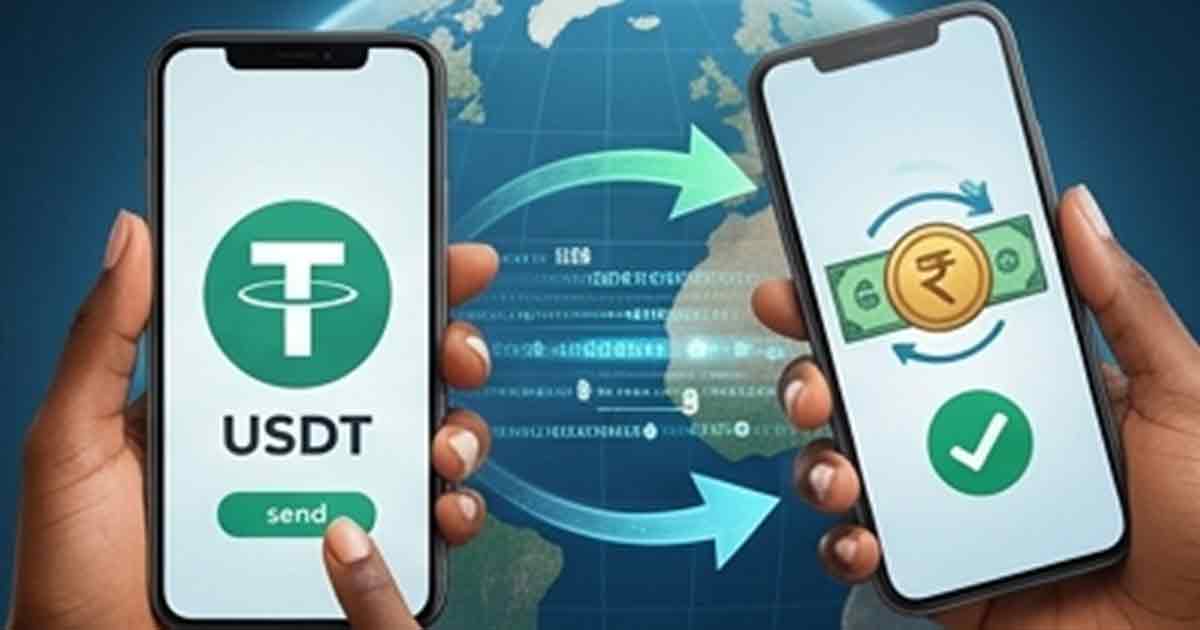
Why Nigerians Are Turning to USDT for International Transfers
Sending money across borders from Nigeria has never been straightforward. Between the CBN's foreign exchange restrictions, the weakness of the Naira against the US dollar, and the high fees charged by traditional remittance services like Western Union or MoneyGram, many Nigerians are stuck paying a double cost: a poor exchange rate and a flat transfer fee. The result? You lose a significant chunk of your money before it even reaches the recipient.
USDT — Tether's USD-pegged stablecoin — is changing that. Because USDT trades at a 1:1 peg to the US dollar and moves freely across blockchain networks like TRON and BNB Chain, Nigerians are increasingly using it to send value internationally without relying on traditional banks or licensed remittance corridors. Here's how it works, why it matters, and what you need to be careful about.
How USDT International Transfers Work From Nigeria
The basic mechanics are simple: you convert Naira to USDT locally (either via a P2P crypto exchange or a platform like Binance, KuCoin, or Yellow Card), then send that USDT directly to the recipient's wallet address anywhere in the world. The recipient can then hold the USDT, convert it to their local currency, or use it directly on crypto-friendly platforms.
Step 1: Buy USDT With Naira
Most Nigerians use P2P trading platforms to exchange Naira for USDT. Binance P2P, KuCoin P2P, and Yellow Card are among the most commonly used. On these platforms, you place a buy order and pay a verified local seller via bank transfer or mobile money. Once your payment is confirmed, USDT is released into your crypto wallet. Current P2P rates for USDT in Nigeria typically hover around the parallel market dollar rate, so it's worth comparing a few sellers before completing a trade.
Step 2: Choose the Right Network
When sending USDT internationally, always confirm which blockchain network you are using. The TRON (TRC-20) network is the most popular for USDT transfers in Nigeria because transaction fees are extremely low — often under $1. The Ethereum (ERC-20) network carries higher gas fees and is less practical for smaller transfers. Always verify the recipient's wallet address and which network they support before sending.
Step 3: Send to the Recipient's Wallet
Once you have USDT in your wallet, sending it is as straightforward as entering the recipient's wallet address and the amount. The transfer typically confirms within seconds to minutes on TRC-20. There is no bank approval process, no transfer limit set by the CBN (though Binance and other platforms may impose their own limits), and no waiting days for settlement.
What Does It Actually Cost?
Compare the cost structure of USDT transfers against traditional methods:
- Western Union (Nigeria to UK): Transfer fee of ₦3,000–₦7,000 plus poor exchange rate spread — often 3–5% below market rate.
- Nigerian bank wire: CBN-regulated, limited to approved purposes. Exchange rate is usually the official rate, which can be significantly worse than parallel market.
- USDT (TRC-20 P2P): Network fee under $1. No intermediary cut. Recipient gets close to full dollar value. The only real cost is the P2P spread between buyer and seller, usually 0.5–2%.
For regular remittances — paying tuition abroad, supporting a family member overseas, or settling a supplier — USDT consistently comes out cheaper when you account for total cost (fees plus exchange rate gap).
Who Is Using USDT for International Transfers in Nigeria?
The people currently driving this trend are not crypto investors in the traditional sense. They are:
- Students abroad whose families send them Naira-equivalent funds each month using USDT because it avoids bank delays and poor official rates.
- Freelancers and remote workers who receive payment in USDT from international clients and hold it until they need local currency.
- Small business importers who pay for goods from China, UAE, or the US in USDT instead of struggling to source physical dollars or SWIFT transfers.
- Nigerian diaspora members sending money home who prefer USDT over traditional remittance services because their Nigerian relatives can quickly convert it to Naira on P2P platforms.
Risks and Limitations You Should Know
USDT transfers are not without risks. Before you start, understand these key constraints:
Regulatory Uncertainty
The CBN has had an on-and-off relationship with crypto in Nigeria. As of 2026, crypto is not outright banned for individuals, but banks are still cautious about flagging accounts linked to heavy crypto-related transactions. Use dedicated crypto platforms rather than trying to process P2P trades through personal bank accounts that might trigger account freezes.
P2P Counterparty Risk
When you buy USDT via P2P, you are dealing with individual sellers. Always use the escrow system built into the platform — never release payment outside the platform's process. Scammers do operate on P2P markets, and once you send Naira outside the escrow, there's no recourse.
Wrong Network / Address Errors
Sending USDT on the wrong network is irreversible. If you send TRC-20 USDT to a wallet that only supports ERC-20, you will likely lose those funds. Triple-check the recipient's network and wallet address before confirming any transfer.
Exchange Rate Volatility on Entry and Exit
Although USDT itself is stable (pegged to $1), the Naira-to-USDT rate can fluctuate due to dollar demand and supply on the P2P market. If you're timing a transfer, slight rate variations can affect how much Naira you need to buy a given amount of USDT.
Platforms Nigerians Use for USDT Transfers
Here are the most commonly used platforms in Nigeria for this workflow:
- Binance P2P: Largest volume, most liquidity, relatively safe escrow system. Note that Binance withdrew its Naira trading pairs in 2024, but P2P still works in Nigeria with bank transfers.
- Yellow Card: Africa-focused crypto exchange, available in Nigeria, supports Naira onramp directly.
- KuCoin P2P: Good alternative with competitive rates.
- Trust Wallet / MetaMask: Self-custody wallets used to hold and send USDT once purchased. No KYC on the wallet itself, though you'll need KYC to buy USDT.
Final Verdict: Is USDT a Practical Remittance Tool for Nigerians?
For straightforward international transfers — especially where the recipient country has a working crypto ecosystem — USDT is one of the most cost-effective and fast options available to Nigerians in 2026. It bypasses the official bank rate disadvantage, settles in seconds, and costs a fraction of what legacy services charge.
The trade-off is that both sender and receiver need some level of crypto literacy, and there are legitimate regulatory and scam risks to manage. If you're comfortable with the learning curve and you take basic precautions around P2P safety and network verification, USDT transfers are a genuinely useful financial tool in a country where traditional cross-border payments are consistently broken.