Blog
World Cup Spending in Nigeria: Naira, Dollar and Digital Payments
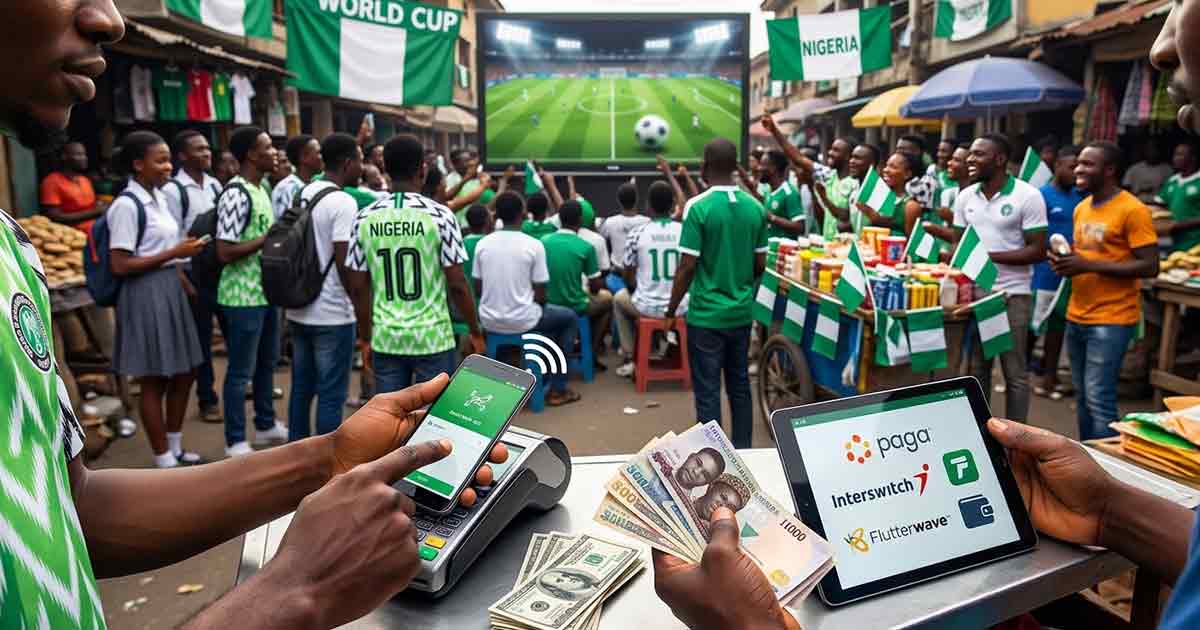
The World Cup is a football event, but for many Nigerians it is also a spending event. Fans pay for data, streaming, transport, food, viewing centers, subscriptions, jerseys, gaming, social gatherings, and online content. Some of these costs are paid in naira. Others are linked to dollars because many digital services, foreign platforms, and international gift cards are priced outside Nigeria.
This guide looks at World Cup spending through a money lens: how football season can increase digital payments, where dollar pressure may appear, when USDT enters the conversation, and how Nigerian households can avoid overspending during a high-emotion tournament.
Why Football Season Changes Spending Behavior
Major tournaments compress attention. People who normally watch highlights may start paying for live access. Friends contribute money for watch parties. Students spend more on data and food. Small businesses around viewing centers see more transactions. Content creators buy tools, graphics, or ads to reach football audiences.
That is why World Cup spending is not only about tickets or jerseys. For Nigerian users, the more realistic spending categories are mobile data, subscription access, food, transport, betting-related temptation, social outings, device charging, digital gifts, and gaming.
Naira Spending: The Everyday Match-Day Costs
Most football expenses still happen in naira. A fan may pay a viewing center, buy food, split a bill with friends, pay for transport, or subscribe for internet access. These are small costs individually, but they can become expensive when matches happen frequently.
The risk is not one big payment. The risk is repeated small payments that are not tracked. A person may spend on data in the afternoon, food during the match, a transfer to a friend after the match, and another small payment for highlights or discussion groups. Over a month, these small football-related expenses can affect savings.
Why Dollar-Linked Spending Can Rise
Some football-season spending touches dollar-linked services. Examples include international streaming tools, foreign app subscriptions, gaming platforms, design tools used by football content creators, and gift cards for global platforms. Even when a Nigerian user pays with a naira card or local wallet, the underlying price may be affected by exchange rates, foreign pricing, bank limits, or platform restrictions.
This is where the naira-versus-dollar issue becomes practical. A fan does not need to be a currency trader to feel it. If a subscription is priced in dollars, if a gift card is valued in dollars, or if an app charges internationally, exchange-rate movement can change the real cost.
Digital Payments Are Already Part of Nigerian Spending
Nigeria's payment habits have already moved strongly toward transfers, cards, POS, USSD, and mobile apps. Nairametrics reported NIBSS data showing that electronic payment transactions in Nigeria reached N1.07 quadrillion in 2024, with December alone recording N115.1 trillion in electronic channels. That matters because high-spending seasons usually ride on existing payment habits rather than creating them from zero.
During World Cup season, this can show up as more transfers between friends, more mobile wallet payments, more POS activity around viewing centers, more app-based purchases, and more online subscriptions. The tournament simply gives people more reasons to use the payment rails they already rely on.
Where USDT Fits Into the Conversation
Some Nigerians use USDT as a dollar-linked digital asset when they want to hold value, pay certain online vendors, or move funds across platforms. During World Cup season, USDT may enter conversations around digital subscriptions, peer-to-peer payments, creator tools, or cross-border purchases.
However, USDT is not a magic solution for football spending. It has platform risk, price-spread risk, wallet-address risk, scam risk, and regulatory considerations. If a user only wants to buy food, pay for data, or watch a match locally, naira is usually simpler. USDT becomes relevant only when the transaction, vendor, or savings goal is genuinely dollar-linked.
A Practical Budget Framework for Fans
| Expense type | Better payment mindset | Risk to avoid |
|---|---|---|
| Data and airtime | Set a weekly football data budget | Buying small bundles repeatedly without tracking |
| Streaming access | Confirm total monthly cost before subscribing | Paying for a service that does not show the matches you need |
| Viewing centers | Estimate match-day cost before leaving home | Unplanned food, transport, and group contributions |
| Gaming and gift cards | Check region, rate, and necessity | Buying a card that cannot be redeemed |
| USDT or dollar spending | Use only when the need is dollar-linked | Using crypto because of hype, not because it solves a payment problem |
How Small Businesses Can Benefit Without Overextending
World Cup season can help viewing centers, food vendors, data sellers, content pages, designers, and event promoters. But businesses should be careful with inventory and credit. A viewing center may see heavy traffic on big-match days and weak traffic on less popular fixtures. A food vendor may sell more during evening matches but not every day.
The safer move is to track match-day demand, accept reliable digital payment options, display prices clearly, and avoid taking excessive debt based on one viral football week. Digital payments can help businesses capture more sales, but only if reconciliation is done properly.
Spending Mistakes to Avoid During the World Cup
- Do not subscribe blindly. Confirm match access before paying for a streaming plan.
- Do not treat every dollar-linked payment as urgent. Compare local alternatives first.
- Do not send USDT to unknown vendors. Wrong addresses and fake sellers can lead to permanent loss.
- Do not borrow for entertainment. Football excitement fades faster than repayment pressure.
- Do not ignore small transfers. Frequent small payments can damage a monthly budget.
What This Means for Nigeria's Digital Economy
Global sports events show how entertainment, payments, and digital commerce now overlap. A fan watches on a phone, pays through a mobile app, joins a WhatsApp group, buys data, sends money to a friend, comments on social media, and maybe buys a gift card or gaming credit. That is not just football behavior. It is digital economy behavior.
For Nigeria, the opportunity is not to copy sports media. The opportunity is to explain the financial habits around football: how people spend, how they pay, where they lose money, and how they can make better digital decisions.
Final Thoughts
World Cup spending in Nigeria sits between naira expenses and dollar-linked digital habits. Naira covers daily costs like data, food, transport, and viewing centers. Dollar-linked tools appear in subscriptions, gift cards, gaming, creator tools, and sometimes USDT. The smartest fans will not avoid spending completely, but they will separate entertainment from financial pressure.
Before paying for anything during the tournament, ask three questions: Do I need this? Is there a cheaper local option? Does the payment method add risk? If the answers are clear, the World Cup becomes easier to enjoy without damaging your budget.
FAQs
Does the World Cup increase digital payments in Nigeria?
It can increase payment activity around data, viewing centers, food, transfers, subscriptions, and online entertainment because fans spend more frequently during major matches.
Why does dollar spending matter during football season?
Some streaming, gaming, creator tools, and gift cards are priced in dollars or linked to foreign platforms, so exchange-rate pressure can affect the final naira cost.
Should Nigerian fans use USDT for World Cup spending?
Only when the payment need is genuinely dollar-linked and the platform is trusted. For local expenses, naira payments are usually simpler and less risky.
How can fans control football-season spending?
Set a weekly match budget, track small transfers, confirm subscription access before paying, and avoid borrowing for entertainment.