Blog
Band A Electricity in Nigeria Explained: Why Power Still Feels Expensive
Last updated: April 14, 2026
Band A electricity is supposed to mean better supply, but power still feels expensive in Nigeria because many people are paying for electricity service and backup energy at the same time. Under Nigeria’s service-based tariff framework, Band A customers are expected to receive a minimum of 20 hours of supply per day. In real life, however, higher tariffs still feel painful when outages, unstable supply, and generator dependence continue.
What exactly is Band A?
Band A is the highest service category in the service-based tariff framework. Under NERC’s published tariff FAQ, Band A customers are those expected to receive at least 20 hours of electricity supply daily. Lower bands are defined by lower minimum supply expectations.
Why do Band A customers still feel power is expensive?
Because “more hours” does not automatically feel affordable when the tariff is much higher and supply is still imperfect. For example, NERC’s 2025 supplementary tariff orders for Ikeja Electric list Band A tariffs at ₦209.50/kWh for several customer classes. That kind of pricing can feel heavy for households and small businesses, especially when the service experience still includes disruptions or voltage issues.
If Band A is premium service, why are people still complaining?
Because customers judge electricity by lived experience, not tariff design. If outages still happen, voltage is unstable, or people still need generators at night or during peak heat periods, the higher tariff feels painful. People are not only paying more for electricity. Many are paying more without feeling fully protected from service stress.
Why does power now feel like both an electricity bill and a fuel bill?
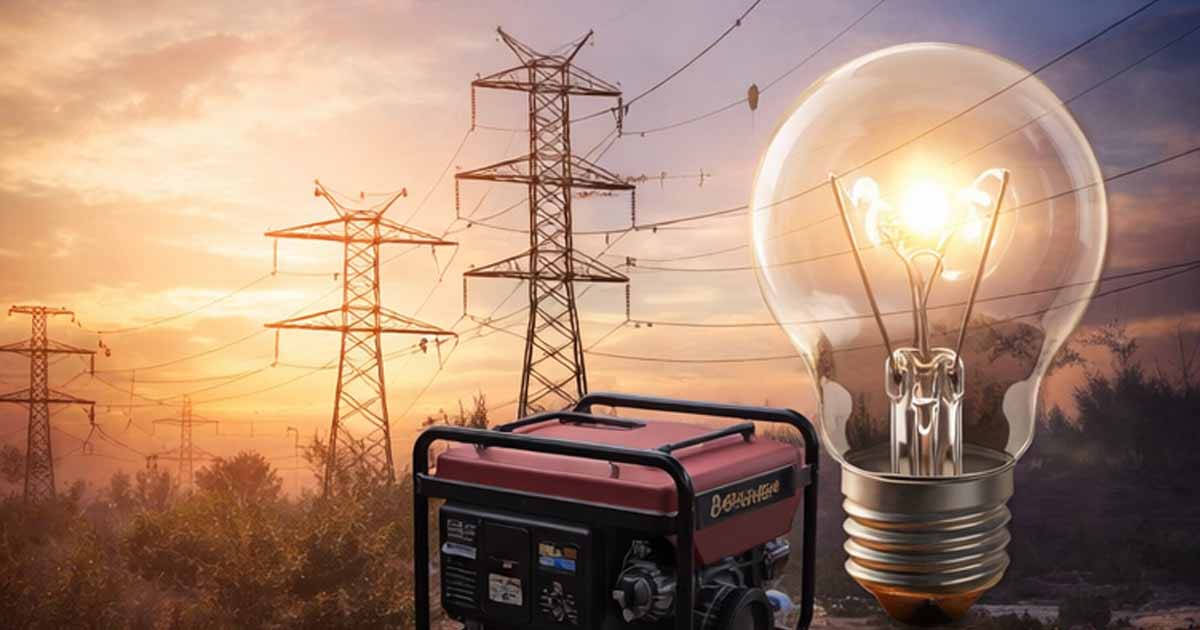
Because the true energy cost in Nigeria is often hybrid. Even if a home or business is on Band A, people may still buy petrol or diesel for generators during outages, voltage instability, or reliability concerns. That means the real power budget is not just the monthly bill. It is the monthly bill plus backup energy.
Is the government still cushioning the system?
In practice, yes. The tariff framework still reflects a balancing act between service quality, affordability, and fiscal pressure. Some customer classes and bands remain more protected than others, and the system continues to absorb pressure from inflation, FX, generation costs, and gas-to-power pricing.
Quick table: Why Band A still feels expensive
| Issue | What policy says | What users often feel |
|---|---|---|
| Service level | Band A = minimum 20 hours daily | Supply may still feel inconsistent |
| Tariff logic | Higher tariff for better service | Higher bill feels painful if outages remain |
| Real-life energy cost | Bill should reflect electricity use | Many people still also pay for generator fuel |
| Value question | Premium service should feel reliable | Customers focus on lived reliability, not theory |
What should users watch next?
Watch not only the tariff but also actual daily supply quality, outage frequency, and the total cost of backup energy. For many Nigerians, the real question is not “What band am I on?” but “What does my full monthly energy cost really look like?”
Bottom line
Band A electricity is not only about tariff classification. It is about whether Nigerians feel they are getting reliable value for what they pay. Right now, many people still feel power is expensive because they are paying for grid electricity and backup fuel at the same time.
FAQs
1. What does Band A mean in Nigeria electricity tariffs?
Band A customers are expected to receive at least 20 hours of supply daily under the service-based tariff system.
2. Is Band A more expensive?
Yes. Band A customers generally face higher tariffs than lower bands because the service level is supposed to be better.
3. Why do Band A users still complain?
Because higher tariffs do not feel fair when outages, unstable supply, or generator dependence continue.
4. Are electricity tariffs still reviewed in Nigeria?
Yes. Tariff structures are influenced by factors such as inflation, FX, gas prices, generation conditions, and policy directions.
5. Why does power still feel expensive even with better service bands?
Because many households and businesses still pay for both grid electricity and backup power.