Blog
Paying for Light and Paying for Fuel: Why Nigeria’s Power Costs Still Hurt in 2026
Last updated: April 14, 2026
Nigeria’s power problem still hurts in 2026 because many households and businesses are paying twice: once for electricity, and again for fuel when the grid does not hold up. That is the simplest explanation. Even where electricity tariffs are structured around service bands, outages and weak reliability still push homes, shops, and offices toward costly backup power.
Why do people still pay for fuel after paying an electricity bill?
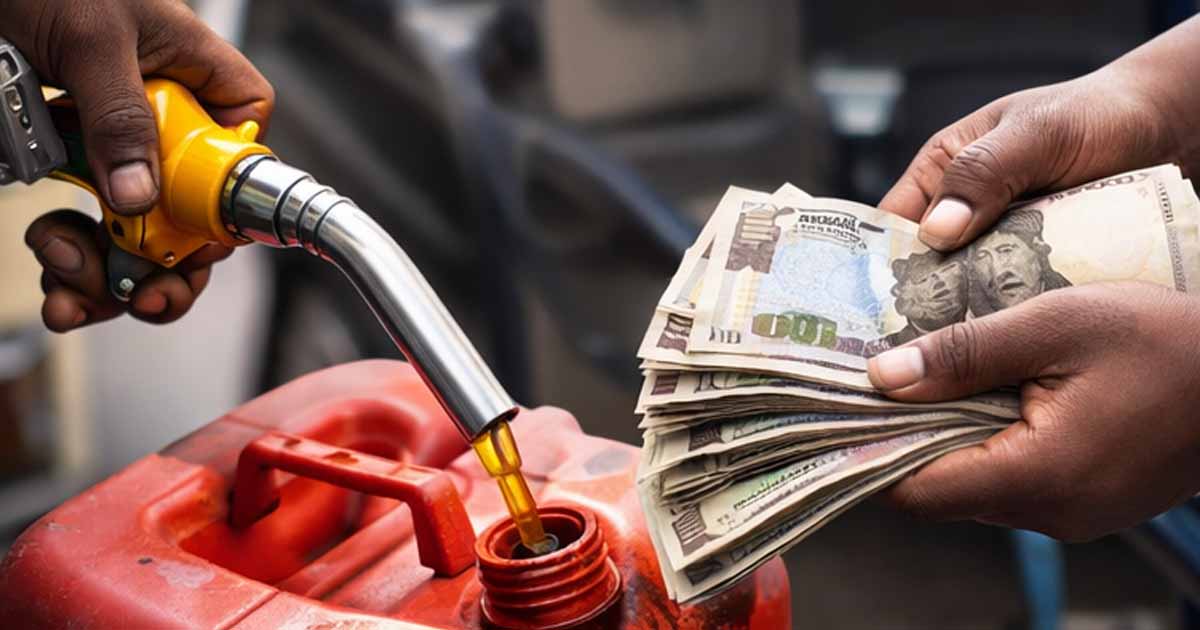
Because an electricity bill does not guarantee uninterrupted power. When there are outages, weak voltage, or long gaps in supply, people switch to generators. That means electricity is not one energy expense in Nigeria. It is often two:
- the grid bill
- generator fuel and maintenance
Why has this become even more painful in 2026?
Because fuel is already expensive. When petrol and diesel rise, every hour of generator use becomes more painful for families and businesses. Unreliable power becomes even more damaging when backup energy is costly too.
How does this affect small businesses?
Small businesses often feel this fastest. A bakery, salon, frozen-food shop, cybercafé, pharmacy, or tailoring business may pay for metered electricity, generator fuel, maintenance, and higher prices on goods coming through energy-heavy supply chains. That is how a power problem becomes a business-survival problem.
Why doesn’t Band A solve this completely?
Because a better tariff band does not eliminate outages or the need for backup in all areas. Even where the service category is higher, users still care about actual reliability, not just the label on paper. If the grid still fails at important times, businesses and households will still keep generators nearby.
Why is the whole system still under pressure?
Because Nigeria is trying to balance affordability, cost-reflective tariffs, subsidy pressure, and weak infrastructure at the same time. Consumers feel high bills and fuel costs. Businesses face rising operating expenses. The wider system is under pressure to improve service without making electricity unaffordable.
Quick table: Why power still hurts household budgets
| Cost layer | What people pay for | Why it hurts |
|---|---|---|
| Electricity bill | Metered grid consumption | Tariffs can already feel high |
| Generator fuel | Petrol or diesel during outages | Fuel is expensive |
| Generator upkeep | Repairs, oil, servicing | Hidden extra cost |
| Business pass-through | Higher prices in shops and services | Households pay again indirectly |
What should Nigerians do next?
The most useful next step is to calculate total energy cost, not just electricity cost. Households and businesses should look at bills, generator spending, servicing costs, and the effect on pricing or savings. That gives a more realistic view of the burden.
Bottom line
Nigeria’s power problem is expensive because too many people are still paying for light and paying for fuel at the same time. Until supply becomes more reliable and total energy costs become more predictable, power will keep feeling like a double burden on homes and businesses.
FAQs
1. Why do Nigerians still use generators after paying electricity bills?
Because many homes and businesses still face outages or unreliable supply, so backup power remains necessary.
2. Is fuel making the power problem worse?
Yes. Higher petrol and diesel prices make every hour of generator use more expensive.
3. What is Band A in electricity billing?
Band A refers to customers expected to receive at least 20 hours of supply daily under the service-based tariff system.
4. Why do small businesses complain so much about power costs?
Because they often pay for grid electricity and generators together, which pushes up operating expenses.
5. Why does this affect market prices too?
Because businesses pass part of their energy cost into the price of goods and services.