Blog
Why Nigerians Are Paying More for Fuel, Transport and Food Again in 2026
Last Updated: April 13, 2026
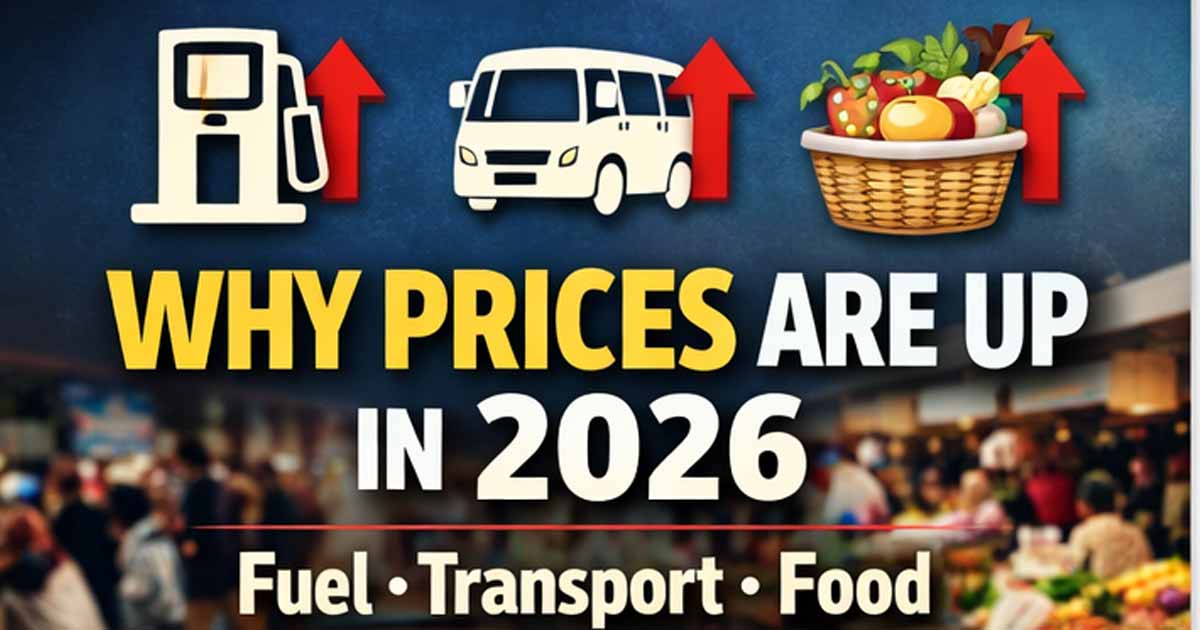
Nigerians are paying more again in 2026 because fuel costs have risen sharply, and fuel sits underneath almost every other daily expense. When petrol and diesel go up, transport becomes more expensive, food distribution becomes more expensive, generator use becomes more expensive, and households feel the pressure quickly. That is the simple explanation.
## Why are prices rising again if inflation has fallen?
Because slower inflation does not mean cheap prices. It only means prices are rising more slowly than before. If you were already paying more for transport, rice, bread, power, and airtime, a lower inflation rate may still feel like no real relief. Families still buy at the new price level, not the old one.
## Why is fuel still the biggest trigger?
Fuel is still the trigger because Nigeria runs on transport and backup energy. Once petrol rises, the pressure spreads fast through buses, interstate travel, delivery costs, market supply chains, and generators. Even households that do not own cars still feel it because bus fares rise, food transport rises, and generator-related spending becomes heavier.
## Why does transport become more expensive so quickly?
Because transport operators respond fast to fuel prices. If a driver pays more at the filling station, the new cost shows up almost immediately in bus fares, keke fares, logistics, and delivery pricing. This affects office workers, traders, students, and small businesses. It also affects food prices, because farmers, wholesalers, and retailers all depend on transport.
## Why does food stay expensive?
Food is one of the first places people feel inflation. Moving tomatoes, rice, yam, bread ingredients, fish, and packaged goods costs more when diesel and petrol are high. That cost is passed down the chain until it reaches the final buyer. So even if headline inflation has cooled from its worst point, households may still face high food bills.
## What does this mean for your household budget?
It means your money has to stretch across more pressure points at the same time. For many households, the real problem is not one big expense. It is the combination of slightly higher transport, slightly higher food, slightly higher generator spending, and still-high digital survival costs like data and airtime. That is why people may feel poorer even when macro headlines sound calmer.
For people who receive remittances or track dollar-linked value, this is also why naira income and FX-linked income should be judged in real terms. If prices keep rising in your local market, your weekly reality matters more than one economic headline.
## Quick table: Why daily costs rise together
| Cost area | Why it rises | Who feels it fastest |
|---|---|---|
| Fuel | Global oil shock and domestic pass-through | Drivers, commuters, logistics operators |
| Transport | Higher fuel costs | Workers, students, traders |
| Food | Higher haulage and distribution costs | Households, restaurants, market buyers |
| Power | More expensive generator use | Homes and small businesses |
| Data / online hustle | Budget squeeze leaves less room for digital spending | Students, creators, freelancers |
## What should readers watch next?
Watch whether fuel prices cool, whether local transport fares stop adjusting upward, and whether food prices in your area start easing in practice. Also watch the exchange rate, because FX stability can help, but it does not erase an energy shock overnight.
Nigerians are paying more again in 2026 because fuel has become more expensive, and fuel affects almost every part of daily life. Once fuel rises, transport, food, power, and small business costs usually rise with it.
## FAQs
### 1. If inflation is lower, why am I still spending more?
Because lower inflation means slower price increases, not a return to old prices.
### 2. Why is fuel so important to food prices?
Because food transport and market logistics depend heavily on fuel.
### 3. Is this only affecting drivers?
No. It affects anyone who buys food, commutes, uses delivery services, or depends on generator power.
### 4. Could prices improve if oil prices fall?
Yes, but pass-through can be slow. Local prices do not always drop as quickly as they rise.
### 5. Why should remittance users or online earners care?
Because what matters is how much your income can actually buy after transport, food, power, and data costs.